
Had a deep tissue massage and feeling sore afterwards? While many people experience immediate relief, it’s also completely normal to notice temporary soreness, stiffness, or fatigue following treatment. These after effects are usually a sign that your muscles are responding to the therapy and typically settle within a day or two.
In this article, we’ll explain the common after effects of deep tissue massage, why they happen, how to manage them, and when you should seek advice.
Key Takeaways
- Mild soreness after a deep tissue massage is common and usually lasts between 24–72 hours.
- Temporary fatigue, stiffness, and increased thirst are also normal after treatment.
- Staying hydrated, gentle movement, and rest can help speed up recovery.
- Deep tissue massage aims to reduce muscle tension and improve mobility over the long term.
- Severe pain, prolonged swelling, or worsening symptoms are not normal and should be assessed by a healthcare professional.
What Is Deep Tissue Massage?
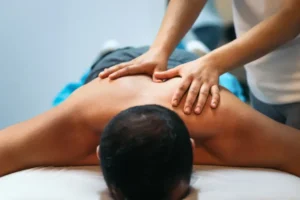
Deep tissue massage is a therapeutic treatment that targets the deeper layers of muscles and connective tissues to relieve chronic tension, reduce pain, and improve movement.
Unlike a relaxation massage, deep tissue massage uses slow, firm pressure to release muscle knots, improve circulation, and restore normal muscle function.
It is commonly used to treat:
- Chronic back pain
- Neck and shoulder tension
- Sports injuries
- Muscle tightness
- Poor posture
- Repetitive strain injuries
- Limited mobility
Because the treatment works on deeper tissues, it’s normal to experience some temporary after effects as your body responds.
Common After Effects of Deep Tissue Massage
Everyone responds differently to treatment, but most after effects are mild and short-lived.
Common symptoms include:
- Muscle soreness
- Tenderness when touching treated areas
- Mild stiffness
- Feeling tired or fatigued
- Increased thirst
- Temporary bruising (occasionally)
- Improved flexibility after initial soreness settles
These symptoms are generally a normal part of the healing process and should gradually improve within a few days.
Why Does Deep Tissue Massage Cause Soreness?
Deep tissue massage places controlled pressure on tight muscles, trigger points, and areas of tension that may have developed over weeks or months.
This treatment can create small amounts of temporary inflammation within the muscles as they begin to relax and recover.
The soreness is often compared to the feeling you experience after a challenging workout.
As circulation improves and muscles begin to recover, discomfort typically reduces and movement becomes easier.

How Long Do the After Effects Last?
For most people, soreness lasts between 24 and 72 hours.
The duration depends on several factors, including:
- The intensity of the treatment
- How tight your muscles were beforehand
- Your activity levels
- Your overall health
- Whether it’s your first deep tissue massage
If you receive regular treatment, you may find that post-massage soreness becomes less noticeable over time.
How to Reduce Soreness After a Deep Tissue Massage
There are several simple ways to help your body recover after treatment.
Stay Hydrated
Drinking plenty of water supports normal muscle function and helps your body recover after massage.
Aim to stay well hydrated throughout the rest of the day following your appointment.
Keep Moving
Gentle movement is often better than complete rest.
Light activities such as:
- Walking
- Gentle stretching
- Mobility exercises
can help reduce stiffness and encourage healthy circulation.
Avoid intense exercise for the remainder of the day if your muscles feel particularly tender.
Apply Heat if Needed
A warm bath or heat pack can help relax sore muscles and reduce feelings of stiffness.
Some people may prefer a cold pack if they experience mild inflammation, although this is less commonly required.
Get Plenty of Rest
Your body performs much of its recovery while you sleep.
Getting a good night’s sleep after treatment can help reduce soreness and support muscle healing.
Benefits of Deep Tissue Massage
Although temporary soreness can occur, the longer-term benefits often outweigh the short-term discomfort.
Benefits may include:
- Reduced muscle tension
- Improved mobility
- Better posture
- Relief from chronic pain
- Improved circulation
- Increased flexibility
- Reduced stress
- Faster recovery from muscular tightness
Many patients notice they feel significantly better once the initial soreness has settled.
When Are After Effects Not Normal?
While mild discomfort is expected, certain symptoms should not be ignored.
You should seek professional advice if you experience:
- Severe or worsening pain
- Significant swelling
- Extensive bruising
- Numbness or weakness
- Symptoms lasting longer than one week
- Difficulty moving a joint
- Signs of infection such as redness, warmth, or fever
These symptoms are uncommon and may indicate that further assessment is needed.
How Deep Tissue Massage Supports Long-Term Recovery
Deep tissue massage is most effective when used as part of a wider treatment plan.
For people with ongoing muscular pain or injuries, massage may be combined with:
- Physiotherapy
- Exercise rehabilitation
- Manual therapy
- Postural correction
- Strengthening programmes
- Mobility exercises
Addressing the underlying cause of muscle tension helps achieve longer-lasting results rather than simply providing temporary relief.
Why Releaf’s Deep Tissue Massage Is Effective
At Releaf, our experienced therapists tailor every deep tissue massage to your individual needs.
Before treatment, we assess your symptoms, movement, and areas of tension to ensure the treatment is both safe and effective.
Depending on your condition, your treatment may include:
- Deep tissue massage
- Sports massage
- Physiotherapy assessment
- Manual therapy
- Dry needling
- Exercise rehabilitation
- Injury prevention advice
Our goal is to reduce pain, improve movement, and help you recover with confidence. Find our price list below:
https://www.releafphysio.com/price-list/
Why Choose Releaf Physio?
Whether you’re dealing with chronic muscle tension, recovering from injury, or simply feeling stiff from everyday life, our experienced team provides personalised care focused on lasting results.
We help patients:
- Relieve muscular pain
- Improve mobility
- Recover from injury
- Prevent recurring muscle tension
- Return to daily activities comfortably
With evidence-based treatment and tailored rehabilitation, we’re here to help you move and feel better. Find our booking link below:
https://www.releafphysio.com/book-online/
Frequently Asked Questions
Is it normal to feel sore after a deep tissue massage?
Yes. Mild soreness is one of the most common after effects of deep tissue massage and usually settles within 24 to 72 hours.
Why do I feel tired after a massage?
Massage encourages your body to relax and can stimulate the parasympathetic nervous system, leaving you feeling calm or sleepy afterwards. This is a normal response for many people.
Should I exercise after a deep tissue massage?
Light activity such as walking or gentle stretching is encouraged, but it’s usually best to avoid strenuous exercise for the rest of the day if you’re feeling sore.
How often should I have a deep tissue massage?
This depends on your symptoms and goals. Some people benefit from monthly maintenance sessions, while others may require more frequent treatment as part of injury rehabilitation.
Is bruising after deep tissue massage normal?
Minor bruising can occasionally occur, particularly if you bruise easily or the treated muscles were especially tight. However, significant bruising or severe pain is not typical and should be discussed with your therapist.
Conclusion
Experiencing mild soreness, stiffness, or fatigue after a deep tissue massage is completely normal and is usually a temporary part of the recovery process.
These after effects typically settle within a few days, leaving you with reduced muscle tension, improved mobility, and greater comfort.
If you’re looking for effective treatment for persistent muscle tightness, chronic pain, or restricted movement, deep tissue massage can be an excellent option. An experienced therapist can tailor your treatment to your individual needs, helping you recover safely while achieving lasting relief.