
Deep tissue massage is a highly effective treatment for relieving muscle tension, improving mobility, and reducing chronic pain. However, like any hands-on therapy, it isn’t suitable for everyone. Understanding the potential risks and knowing when deep tissue massage should be avoided can help ensure you receive safe and effective treatment.
In this article, we’ll explore the possible dangers of deep tissue massage, who should avoid treatment, and how to minimise any risks.
Key Takeaways
- Deep tissue massage is generally safe when performed by a qualified therapist.
- Mild soreness and temporary tenderness are common after treatment and usually resolve within a few days.
- Certain medical conditions may make deep tissue massage unsuitable or require medical clearance.
- Choosing an experienced therapist helps reduce the risk of injury or complications.
- A thorough assessment before treatment ensures the massage is appropriate for your individual needs.
What Is Deep Tissue Massage?
Deep tissue massage is a therapeutic treatment that uses slow, firm pressure to target the deeper layers of muscles and connective tissues.
It is commonly used to treat:
- Chronic back pain
- Neck and shoulder tension
- Muscle stiffness
- Sports injuries
- Postural problems
- Repetitive strain injuries
- Limited mobility
Unlike a relaxation massage, deep tissue massage focuses on releasing persistent muscle tension and improving movement rather than simply promoting relaxation.

Is Deep Tissue Massage Safe?
For most healthy individuals, deep tissue massage is considered a safe and effective treatment when carried out by a trained professional.
Your therapist should always complete a thorough assessment before treatment to identify any medical conditions, injuries, or medications that may affect your suitability for massage.
When appropriate pressure is used and treatment is tailored to the individual, the risk of serious complications is very low.
Common Side Effects of Deep Tissue Massage
Most people experience only mild, short-term side effects.
These may include:
- Muscle soreness
- Tenderness
- Mild stiffness
- Temporary fatigue
- Slight bruising (occasionally)
- Increased thirst
These effects are generally normal and typically settle within 24 to 72 hours.
Potential Risks of Deep Tissue Massage
Although uncommon, deep tissue massage does carry some risks, particularly if performed incorrectly or when contraindications are overlooked.
Excessive Bruising
Firm pressure may cause bruising in some individuals, particularly those who:
- Bruise easily
- Take blood-thinning medication
- Have fragile skin
- Have certain medical conditions affecting blood clotting
Bruising should be minor. Significant or widespread bruising is not considered a normal response.
Increased Pain
Some soreness is expected after treatment, but pain should gradually improve rather than worsen.
Excessive pressure can irritate muscles or aggravate existing injuries if treatment is too aggressive.
A skilled therapist will always adjust pressure based on your comfort and response.
Nerve Irritation
Applying excessive pressure over certain areas may occasionally irritate nearby nerves.
This could result in temporary symptoms such as:
- Tingling
- Numbness
- Increased sensitivity
These symptoms are uncommon and should be assessed if they persist.
Aggravation of Existing Injuries
Deep tissue massage may not be appropriate during the early stages of certain injuries.
For example:
- Acute muscle tears
- Ligament injuries
- Recent fractures
- Severe inflammation
Treating these conditions too early may delay healing or increase discomfort.
Who Should Avoid Deep Tissue Massage?
Deep tissue massage may not be suitable for everyone.
Treatment should generally be avoided or modified if you have:
- A recent fracture
- Acute muscle or ligament injury
- Deep vein thrombosis (DVT)
- Active infection
- Open wounds
- Burns
- Severe osteoporosis
- Bleeding disorders
- Uncontrolled high blood pressure
- Certain types of cancer (unless approved by your medical team)
If you are pregnant, have recently had surgery, or have a long-term medical condition, it’s important to discuss this with your therapist before treatment.
Can Deep Tissue Massage Cause Blood Clots?
One of the most common concerns people have is whether deep tissue massage can cause blood clots.
Current evidence suggests that massage does not create blood clots in healthy individuals. However, if someone already has an undiagnosed deep vein thrombosis (DVT), massage over the affected area could potentially dislodge part of the clot.
For this reason, deep tissue massage should never be performed over an area where DVT is suspected.
Symptoms of a possible DVT include:
- Swelling in one leg
- Warmth over the affected area
- Pain in the calf
- Red or discoloured skin
Anyone with these symptoms should seek urgent medical assessment rather than massage.
How to Reduce the Risks
Most risks can be minimised by choosing a qualified therapist and providing an accurate medical history.
Before your appointment:
- Tell your therapist about any medical conditions.
- Mention any medications, especially blood thinners.
- Inform them of recent injuries or surgery.
- Let them know if you’re pregnant.
- Speak up during treatment if the pressure feels too uncomfortable.
Massage should feel therapeutic—not unbearable. Effective treatment does not require excessive pain.
Benefits of Deep Tissue Massage
When performed safely, deep tissue massage offers many benefits.
These include:
- Reduced muscle tension
- Improved flexibility
- Better posture
- Increased mobility
- Relief from chronic pain
- Improved circulation
- Reduced stress
- Enhanced recovery from muscular injuries
For many people, the benefits significantly outweigh the temporary soreness that can occur after treatment.
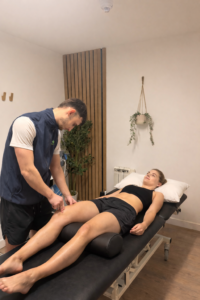
Why Releaf’s Deep Tissue Massage Is Safe and Effective
At Releaf, patient safety is our priority.
Before every treatment, we carry out a detailed assessment to ensure deep tissue massage is appropriate for your condition.
Our experienced therapists tailor pressure and techniques to your individual needs, ensuring treatment is both effective and comfortable.
Depending on your symptoms, your treatment may include:
- Deep tissue massage
- Sports massage
- Physiotherapy assessment
- Manual therapy
- Exercise rehabilitation
- Dry needling
- Injury prevention advice
We focus on treating the underlying cause of pain while helping you recover safely. Please find our price list below.
https://www.releafphysio.com/price-list/
Why Choose Releaf Physio?
Our experienced team combines clinical expertise with personalised care to deliver safe, evidence-based treatment.
We help patients:
- Reduce muscular pain
- Improve movement
- Recover from injury
- Prevent recurring muscle problems
- Return to everyday activities with confidence
Every treatment plan is tailored to your goals, ensuring you receive the right care at the right time. To book an appointment please use the booking link below.
https://www.releafphysio.com/book-online/
Frequently Asked Questions
Is deep tissue massage dangerous?
For most healthy people, no. Deep tissue massage is considered safe when performed by a qualified therapist following a proper assessment. Serious complications are rare.
Can deep tissue massage damage muscles?
When performed correctly, deep tissue massage should not damage healthy muscle tissue. Temporary soreness is common, but ongoing or severe pain is not and should be assessed.
Can deep tissue massage cause bruising?
Yes. Minor bruising can occasionally occur, particularly in people who bruise easily or take blood-thinning medication. Significant bruising should be discussed with your therapist.
Who should not have deep tissue massage?
People with conditions such as DVT, recent fractures, acute injuries, active infections, severe osteoporosis, or certain medical conditions may need to avoid treatment or seek medical clearance first.
Should deep tissue massage be painful?
Deep tissue massage often involves firm pressure and some discomfort, but it should never feel unbearable. Your therapist should adjust the pressure based on your comfort level and treatment goals.
Conclusion
Deep tissue massage is a safe and effective treatment for most people when carried out by a qualified therapist. While mild soreness and tenderness are normal, serious complications are uncommon and can usually be avoided through proper assessment and appropriate treatment techniques.
If you have an underlying medical condition, recent injury, or concerns about whether deep tissue massage is right for you, it’s always best to seek professional advice before treatment.
At Releaf Physio, we take the time to understand your health, assess your symptoms, and deliver personalised treatment that prioritises both safety and long-term results, helping you feel confident throughout your recovery.