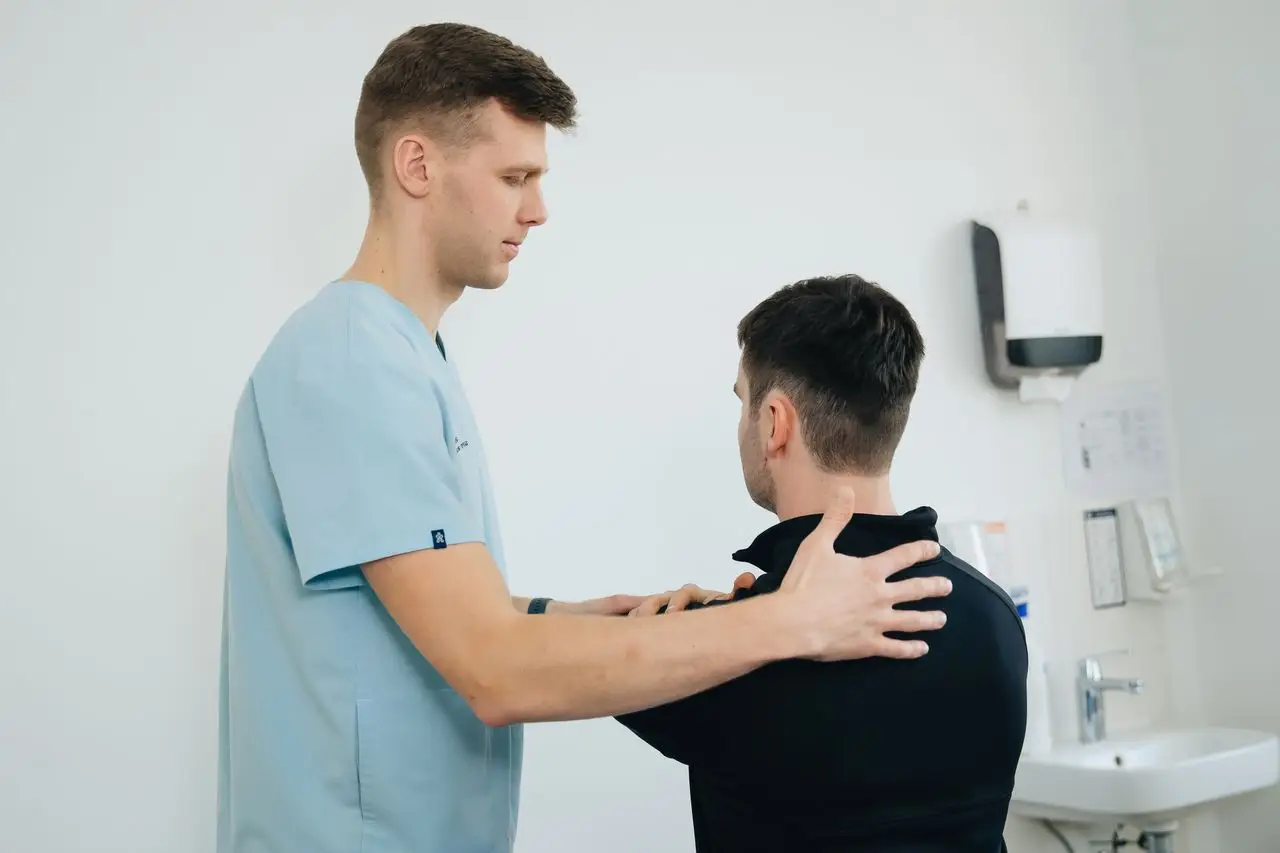
Training for the Great North Run is an exciting challenge, but increasing your running distance and training frequency can also place greater demands on your muscles, joints, and connective tissues. Preparing properly can help reduce your risk of injury and allow you to build fitness consistently.
Whether you’re a first-time runner or an experienced athlete, injury prevention should be an important part of your Great North Run training plan. Gradually increasing your running load, strengthening key muscles, allowing enough recovery, and responding to early warning signs can all help keep you running throughout your training.
In this article, we’ll explore how to prevent common running injuries during Great North Run training, how to structure your training safely, and what you can do if pain begins to develop.
Key Takeaways
- Gradually increasing your running distance and intensity can help reduce the risk of overuse injuries.
- Strength training can improve muscle capacity and help your body cope with the demands of running.
- Recovery days are an important part of any Great North Run training programme.
- Common running injuries include shin pain, runner’s knee, Achilles tendon pain, and plantar heel pain.
- Persistent or worsening pain should not be ignored during training.
- Good footwear, adequate nutrition, sleep, and hydration can support recovery and performance.
- Physiotherapy can help identify potential problems early and provide personalised injury prevention advice.
Why Is Injury Prevention Important When Training for the Great North Run?
The Great North Run is a half marathon, meaning you’ll need to prepare your body to cope with a significantly greater running distance than many people regularly complete.
As your training progresses, you may increase:
- Running distance
- Weekly mileage
- Running frequency
- Training intensity
- Hill running
- Speed work
- Long-run duration
These changes place additional stress on the muscles, tendons, bones, and joints.
Your body needs time to adapt to these demands. Increasing your training too quickly can increase the likelihood of developing an overuse injury.
Injury prevention isn’t about avoiding challenging training. Instead, it’s about giving your body enough time to adapt to increasing workloads.
Start Your Great North Run Training Gradually
One of the most important principles of injury prevention is gradual progression.
If you’re returning to running after a break, avoid immediately trying to match the distances you were previously capable of running.
Instead, gradually build your training volume while allowing your body to recover between sessions.
A sensible training plan should include a combination of:
- Easy runs
- Longer runs
- Rest or recovery days
- Strength training
- Mobility work
- Optional speed or hill sessions
The exact structure will depend on your current fitness, running experience, and training goals.

Avoid Sudden Increases in Training
A sudden increase in mileage, running frequency, or intensity can place excessive stress on tissues that haven’t yet adapted.
For example, increasing your long run significantly from one week to the next may leave your muscles and tendons struggling to recover.
Rather than focusing solely on how quickly you can increase your distance, pay attention to how your body responds.
If you experience persistent soreness, fatigue, or pain after increasing your training, it may be a sign that your current workload needs adjusting.
Build Your Long Runs Gradually
Long runs are an important part of preparing for a half marathon.
They help your body adapt to spending longer periods running and allow you to develop endurance before race day.
However, long runs also place considerable stress on your lower limbs.
When building your long runs:
- Increase distance gradually
- Keep most long runs at a comfortable pace
- Allow sufficient recovery afterwards
- Avoid adding distance and intensity at the same time
- Listen to changes in pain or fatigue
- Include easier training weeks where appropriate
You don’t need to run at race pace during every long run.
Building endurance safely is more important than constantly pushing your limits.
Strength Training for Injury Prevention
Strength training can be a valuable addition to Great North Run preparation.
Running repeatedly loads the muscles and joints of the lower body. Strength exercises can help improve your ability to tolerate these demands.
A well-rounded programme may target the:
- Glutes
- Hamstrings
- Quadriceps
- Calves
- Hip muscles
- Core
Useful exercises may include:
Squats
Squats strengthen several major muscles involved in running, including the quadriceps and glutes.
They can help improve lower-limb strength and control when performed with appropriate technique.
Lunges
Lunges work the legs individually, helping develop strength and balance.
They can also challenge the stability required when running on one leg at a time.
Calf Raises
The calf muscles play an important role in absorbing and producing force while running.
Calf raises can help improve calf strength and build tolerance to repetitive loading.
Glute Bridges
Glute bridges target the gluteal muscles and can be useful for developing hip strength.
Strong hip muscles can help support efficient lower-limb movement during running.
Single-Leg Exercises
Running is essentially a repeated series of single-leg movements.
Exercises such as single-leg squats, step-ups, and single-leg calf raises can therefore be useful for developing strength and control.
A physiotherapist can help determine which exercises are most appropriate for your current strength and running demands.
Don’t Forget Mobility
Strength is important, but mobility also plays a role in maintaining efficient movement.
Limited mobility in certain areas can affect how you move when running and may contribute to increased stress elsewhere.
Areas commonly addressed by runners include:
- Ankles
- Calves
- Hips
- Hamstrings
- Thoracic spine
Mobility exercises should be specific to your individual needs rather than simply following a generic stretching routine.
If you have restricted movement, a physiotherapy assessment can help identify whether this is contributing to your running technique or symptoms.
Recovery Is Part of Your Training
It’s easy to focus on running and forget that recovery is when your body has the opportunity to adapt to training.
Adequate recovery can help reduce excessive fatigue and allow muscles and connective tissues time to repair and adapt.
Important aspects of recovery include:
- Rest days
- Adequate sleep
- Hydration
- Sufficient nutrition
- Appropriate training intensity
- Managing overall workload
You don’t need to train hard every day to improve your running.
In fact, consistently pushing through fatigue can make it more difficult to maintain your training programme.
Common Injuries During Great North Run Training
Increasing running volume can sometimes lead to overuse injuries.
Common problems experienced by runners include:
Runner’s Knee
Runner’s knee is a general term often used to describe pain around the front of the knee.
Symptoms may become noticeable during activities such as:
- Running
- Squatting
- Walking downstairs
- Sitting for prolonged periods
The cause can vary, so an assessment is useful if knee pain persists.
Shin Pain
Pain around the shin is common when runners increase their training load.
It can develop following increases in:
- Running distance
- Running frequency
- Hill training
- Running intensity
Early symptoms shouldn’t be ignored, particularly if pain continues to worsen.
Achilles Tendon Pain
The Achilles tendon connects the calf muscles to the heel.
Increasing running volume or intensity can place greater demands on the tendon and may lead to pain or stiffness.
Symptoms may include:
- Pain around the Achilles tendon
- Morning stiffness
- Pain during or after running
- Tenderness around the tendon
Early management can help prevent symptoms from becoming more persistent.
Plantar Heel Pain
Pain underneath or around the heel can affect runners, particularly following changes in training load.
Symptoms may be more noticeable during the first steps after resting and may become aggravated by longer runs.
Hamstring and Calf Strains
Sudden increases in running intensity, sprinting, hills, or speed sessions can increase the demands placed on the hamstrings and calf muscles.
Strength training and appropriate progression can help prepare these tissues for higher running loads.
Warning Signs You Shouldn’t Ignore
Not every ache after running indicates an injury. Mild muscle soreness can be a normal response to a new training stimulus.
However, certain symptoms deserve attention.
You should consider reducing your training load and seeking professional advice if you experience:
- Pain that gets progressively worse
- Pain that changes your running technique
- Persistent pain during or after running
- Swelling
- Significant stiffness
- Pain that doesn’t improve with rest
- Repeated pain in the same area
- Sudden sharp pain
- Pain that affects normal daily activities
Trying to train through persistent pain can sometimes turn a manageable problem into a longer-term injury.
How to Manage Training Load
Training load isn’t simply the number of miles you run.
It can include:
- Distance
- Pace
- Hills
- Running frequency
- Speed sessions
- Strength training
- Other sports and physical activities
For example, adding a long run, hill session, and intensive strength workout in the same week may significantly increase your overall physical workload.
Instead of looking at individual sessions in isolation, consider the total stress you’re placing on your body.
A training programme should balance progression with recovery.

The Importance of Running Shoes
Your running shoes should be comfortable and appropriate for your individual needs.
There isn’t one type of running shoe that is perfect for everyone.
When choosing footwear, consider:
- Comfort
- Fit
- Running surface
- Training requirements
- Personal preference
- Previous running experience
If you’re changing to a significantly different type of shoe, allow your body time to adapt rather than immediately completing your longest training runs in them.
Nutrition and Hydration During Training
Your body needs adequate energy and fluids to support increasing training demands.
Eating a balanced diet can help provide the energy and nutrients required for training and recovery.
Depending on your training volume, this may include appropriate amounts of:
- Carbohydrates
- Protein
- Healthy fats
- Fruit and vegetables
- Fluids
Longer training sessions may also require you to practise your race-day nutrition and hydration strategy.
It’s best to test these strategies during training rather than trying something completely new on race day.
Don’t Ignore Previous Injuries
If you’ve previously experienced a running injury, returning to higher training volumes can sometimes cause symptoms to reappear.
Previous injuries may include:
- Knee pain
- Achilles tendon problems
- Shin pain
- Ankle injuries
- Hamstring strains
- Calf injuries
- Plantar heel pain
If an old injury starts becoming painful again, don’t simply assume that it will disappear.
Identifying why the symptoms have returned can help you make appropriate changes to your training.
When Should You See a Physiotherapist?
You don’t have to wait until you’re seriously injured before seeing a physiotherapist.
A physiotherapy assessment can be useful before or during Great North Run training, particularly if you’re:
- New to running
- Returning after an injury
- Increasing your running distance
- Experiencing recurring pain
- Unsure how to structure your training
- Struggling with persistent muscle or joint pain
A physiotherapist can assess your movement, strength, mobility, running-related symptoms, and training demands.
They can then provide an individualised programme to help you prepare for the demands of the Great North Run.

Why Releaf’s Physiotherapy Approach Can Help
At Releaf, we understand that every runner has different goals, training backgrounds, and injury risks.
Our physiotherapists can assess your symptoms and physical capacity to identify potential problems before they interfere with your training.
Depending on your needs, treatment may include:
- Physiotherapy assessment
- Strength and conditioning
- Exercise rehabilitation
- Manual therapy
- Running-related advice
- Mobility exercises
- Injury prevention strategies
- Training load guidance
Rather than simply treating pain, our aim is to understand why the problem has developed and help you build the capacity needed to keep running. To view our price list please click the link below.
https://www.releafphysio.com/price-list/
Why Choose Releaf Physio?
Whether you’re preparing for your first Great North Run or returning to running after an injury, our experienced team provides personalised, evidence-based care.
We help runners:
- Prepare safely for increased training demands
- Manage existing running injuries
- Improve strength and mobility
- Return to running following injury
- Reduce the risk of recurring problems
- Build confidence before race day
Your training programme should be built around your individual starting point, not someone else’s running schedule. To book an appointment please click the link below.
https://www.releafphysio.com/book-online/
Frequently Asked Questions
When should I start training for the Great North Run?
The ideal training period depends on your current fitness, running experience, and target distance. Starting early gives you more time to gradually build your running volume and adapt to longer distances.
How can I prevent injuries when training for the Great North Run?
Gradually increase your training load, include strength training, allow adequate recovery, and avoid suddenly adding large increases in mileage or intensity. Addressing pain early can also help prevent minor problems from becoming more serious.
Should I run every day when training for a half marathon?
Most runners don’t need to run every day. Rest and recovery are important parts of training and can help your body adapt to increased running demands.
How much strength training should runners do?
The appropriate amount depends on your running experience, current strength, training schedule, and goals. A well-designed strength programme can complement running without unnecessarily increasing your overall training load.
Is it normal to experience pain when training for a half marathon?
Some muscle soreness can occur when your body adapts to new training. However, persistent, worsening, or sharp pain should not be considered something you simply need to train through.
Should I see a physiotherapist before the Great North Run?
A pre-training or mid-training assessment can be useful, particularly if you’re new to running, returning from an injury, or experiencing recurring symptoms. A physiotherapist can identify areas that may need attention and provide personalised advice.
What should I do if I develop pain during Great North Run training?
Don’t automatically continue training through persistent pain. Consider reducing the activity that aggravates your symptoms and seek professional advice if the pain continues, worsens, or affects your running technique or daily activities.
Conclusion
Training for the Great North Run is a significant physical challenge, but injury doesn’t have to be an inevitable part of the process.
Gradually increasing your running load, developing strength, maintaining mobility, prioritising recovery, and paying attention to early warning signs can all help reduce your risk of injury.
If you’re starting your Great North Run training or returning to running after an injury, a physiotherapy assessment can help you understand your individual needs and prepare your body for the demands of training.
At Releaf, our goal is to help you stay active, manage pain, and reach the start line feeling strong and prepared.