Experiencing persistent shoulder pain and stiffness that makes everyday movements difficult? Frozen shoulder, also known as adhesive capsulitis, can cause significant restriction in shoulder movement and make activities such as dressing, reaching overhead, or sleeping uncomfortable.
Although frozen shoulder can take time to improve, physiotherapy can play an important role in managing symptoms, maintaining movement, and helping you return to normal activities.
In this article, we’ll explore the stages of frozen shoulder, physiotherapy exercises that may help, how long recovery can take, and when you should seek professional advice.
Key Takeaways
- Frozen shoulder causes pain, stiffness, and restricted shoulder movement.
- The condition typically develops through different stages, with symptoms changing over time.
- Gentle mobility exercises can help maintain and gradually improve shoulder movement.
- Exercise intensity should be adjusted according to your symptoms and stage of recovery.
- Recovery can take several months or longer, so gradual progress is important.
- Physiotherapy can help manage pain, improve mobility, and guide your rehabilitation.
- Persistent or worsening shoulder pain should be assessed to confirm the diagnosis and rule out other conditions.
What Is Frozen Shoulder?
Frozen shoulder is a condition that causes pain and stiffness in the shoulder joint.
The medical term is adhesive capsulitis. It occurs when the tissues surrounding the shoulder joint become irritated and contract, restricting normal movement.
People with frozen shoulder may find it difficult to:
- Raise their arm overhead
- Reach behind their back
- Put on or remove clothing
- Reach for objects on a high shelf
- Wash or brush their hair
- Sleep comfortably on the affected side
The symptoms can develop gradually rather than appearing suddenly.
Frozen shoulder can affect one shoulder at a time, although some people may experience problems in both shoulders at different times.

What Causes Frozen Shoulder?
The exact cause of frozen shoulder isn’t always clear.
It can develop without an obvious injury, known as primary or idiopathic frozen shoulder.
It can also occur following another problem that causes someone to stop moving their shoulder normally.
This may include:
- Shoulder surgery
- Shoulder injury
- Prolonged immobilisation
- Rotator cuff problems
- Other conditions affecting shoulder movement
Some medical conditions can also increase the likelihood of developing frozen shoulder.
If you develop significant shoulder stiffness, a physiotherapy assessment can help determine whether frozen shoulder is likely or whether another condition may be responsible for your symptoms.
The Three Stages of Frozen Shoulder
Frozen shoulder is commonly described as progressing through three stages.
However, the timing and severity of each stage can vary between individuals.
Stage 1: Freezing Stage
During the freezing stage, shoulder pain gradually increases and movement becomes more restricted.
Pain may be particularly noticeable at night and can make sleeping difficult.
This stage may last for several months.
The main symptoms include:
- Increasing shoulder pain
- Gradually worsening stiffness
- Difficulty reaching overhead
- Pain when moving the arm
- Night-time discomfort
During this stage, exercises are generally focused on maintaining comfortable movement rather than aggressively forcing the shoulder.
Stage 2: Frozen Stage
During the frozen stage, pain may begin to reduce for some people, but stiffness can remain significant.
Shoulder movement may be restricted in several directions.
Everyday activities can continue to be difficult, particularly movements involving reaching behind the back or overhead.
This stage can last several months.
Physiotherapy may focus on maintaining and gradually improving available movement while managing symptoms.
Stage 3: Thawing Stage
During the thawing stage, shoulder movement gradually begins to improve.
Pain may continue to settle, and everyday activities can become easier.
The recovery process can be gradual, and full movement may take time to return.
Strength and mobility exercises can become increasingly important as your shoulder tolerance improves.
Frozen Shoulder Physiotherapy Exercises
Exercises are an important part of frozen shoulder rehabilitation.
However, the most appropriate exercises depend on your symptoms, range of movement, and stage of recovery.
The aim isn’t to force the shoulder through painful movements.
Instead, exercises should gradually encourage movement while respecting your current level of irritation.
Pendulum Exercises
Pendulum exercises involve allowing the arm to hang loosely while gently moving it in small circles or forwards and backwards.
They can help maintain gentle shoulder movement without requiring significant muscular effort.
Pendulum exercises may be particularly useful when shoulder pain and stiffness are limiting active movement.
Shoulder Flexion Exercises
Shoulder flexion involves raising the arm forwards and overhead.
A physiotherapist may recommend assisted versions of this movement, using the opposite arm or a stick to help guide the affected shoulder.
The movement should be controlled and performed within a comfortable or tolerable range.
Over time, the goal is to gradually increase how far the shoulder can move.
External Rotation Exercises
External rotation involves moving the forearm away from the body while keeping the elbow close to your side.
This movement can become particularly restricted with frozen shoulder.
A gentle assisted external rotation exercise can help maintain available movement and gradually improve range as symptoms allow.
Towel Stretch
A towel can sometimes be used to assist shoulder movement behind the back.
The unaffected arm gently helps guide the affected arm.
This exercise may be useful when appropriate, but it should be introduced carefully because reaching behind the back can be uncomfortable during some stages of frozen shoulder.
Wall Slides
Wall slides involve placing the hands or fingers against a wall and gradually moving the arm upwards.
They can help develop shoulder elevation and encourage controlled movement.
The height should be increased gradually as your shoulder mobility improves.
Shoulder Blade Exercises
The muscles surrounding the shoulder blade play an important role in normal shoulder movement.
Exercises targeting the shoulder blade can help maintain strength and movement control while your shoulder is recovering.
These may include gentle shoulder blade squeezes and controlled scapular movements.

How Often Should You Do Frozen Shoulder Exercises?
The ideal exercise frequency depends on the individual and the stage of frozen shoulder.
Doing exercises too aggressively can sometimes increase irritation, while avoiding movement altogether may contribute to further stiffness.
A physiotherapist can provide guidance on:
- Which exercises to perform
- How often to perform them
- How many repetitions to complete
- How far to move the shoulder
- When to progress exercises
- When to reduce activity
Your programme should be adjusted according to how your shoulder responds.
Should Frozen Shoulder Exercises Hurt?
Some stretching or mild discomfort can occur during frozen shoulder exercises.
However, exercises should not cause severe or worsening pain.
A useful approach is to perform movements slowly and within a manageable range rather than forcing the shoulder into painful positions.
If your symptoms remain significantly worse for an extended period after exercising, the intensity or volume may need to be adjusted.
A physiotherapist can help you determine the appropriate level of exercise for your symptoms.
Frozen Shoulder Recovery Timeline
One of the most common questions patients ask is how long frozen shoulder takes to recover.
Unfortunately, there isn’t a single timeline that applies to everyone.
Frozen shoulder can take several months or longer to settle, and recovery may occur gradually.
A general progression is:
| Stage | Typical Symptoms | Focus of Treatment |
| Freezing | Increasing pain and stiffness | Pain management and gentle movement |
| Frozen | Significant stiffness, potentially less pain | Mobility and maintaining function |
| Thawing | Gradual improvement in movement | Progressive mobility and strengthening |
The exact duration of each stage varies.
Some people improve relatively quickly, while others experience symptoms for considerably longer.
The important thing is to monitor your progress rather than expecting your shoulder to recover according to a fixed schedule.
Factors That Can Affect Recovery
Several factors may influence how quickly your shoulder improves.
These can include:
- Severity of symptoms
- Duration of the condition
- Age
- General health
- Shoulder movement at the start of treatment
- Previous shoulder problems
- Other medical conditions
- Adherence to rehabilitation
- Response to treatment
If your shoulder remains severely restricted or your symptoms aren’t improving, further assessment may be appropriate.
How Physiotherapy Can Help Frozen Shoulder
Physiotherapy can help you manage frozen shoulder throughout the different stages of the condition.
Treatment may include:
- Shoulder mobility exercises
- Strengthening exercises
- Manual therapy
- Movement advice
- Activity modification
- Education about the condition
- Home exercise programmes
- Gradual return to normal activities
The approach should change as your symptoms and shoulder movement improve.
During the more painful stages, treatment may focus on symptom management and maintaining comfortable movement.
As stiffness becomes the main limitation, treatment can progressively focus on restoring range of movement and strength.
Frozen Shoulder vs Other Shoulder Problems
Several shoulder conditions can cause pain and restricted movement.
These may include:
- Rotator cuff injuries
- Shoulder impingement
- Osteoarthritis
- Shoulder instability
- Tendon problems
- Neck-related pain
Frozen shoulder is particularly associated with a gradual loss of shoulder movement, often affecting several directions.
However, shoulder symptoms can overlap between conditions.
An accurate assessment is therefore important before starting a rehabilitation programme.
When Should You See a Physiotherapist?
Consider seeing a physiotherapist if you experience:
- Persistent shoulder pain
- Increasing stiffness
- Difficulty raising your arm
- Pain that interferes with sleep
- Difficulty dressing or reaching
- Loss of shoulder movement
- Symptoms that aren’t improving
- Recurrent shoulder problems
Early assessment can help determine what’s causing your symptoms and provide appropriate advice.
You don’t necessarily need to wait until your shoulder becomes severely stiff before seeking help.
Why Releaf’s Frozen Shoulder Physiotherapy Is Effective
At Releaf, we understand that frozen shoulder can significantly affect everyday life.
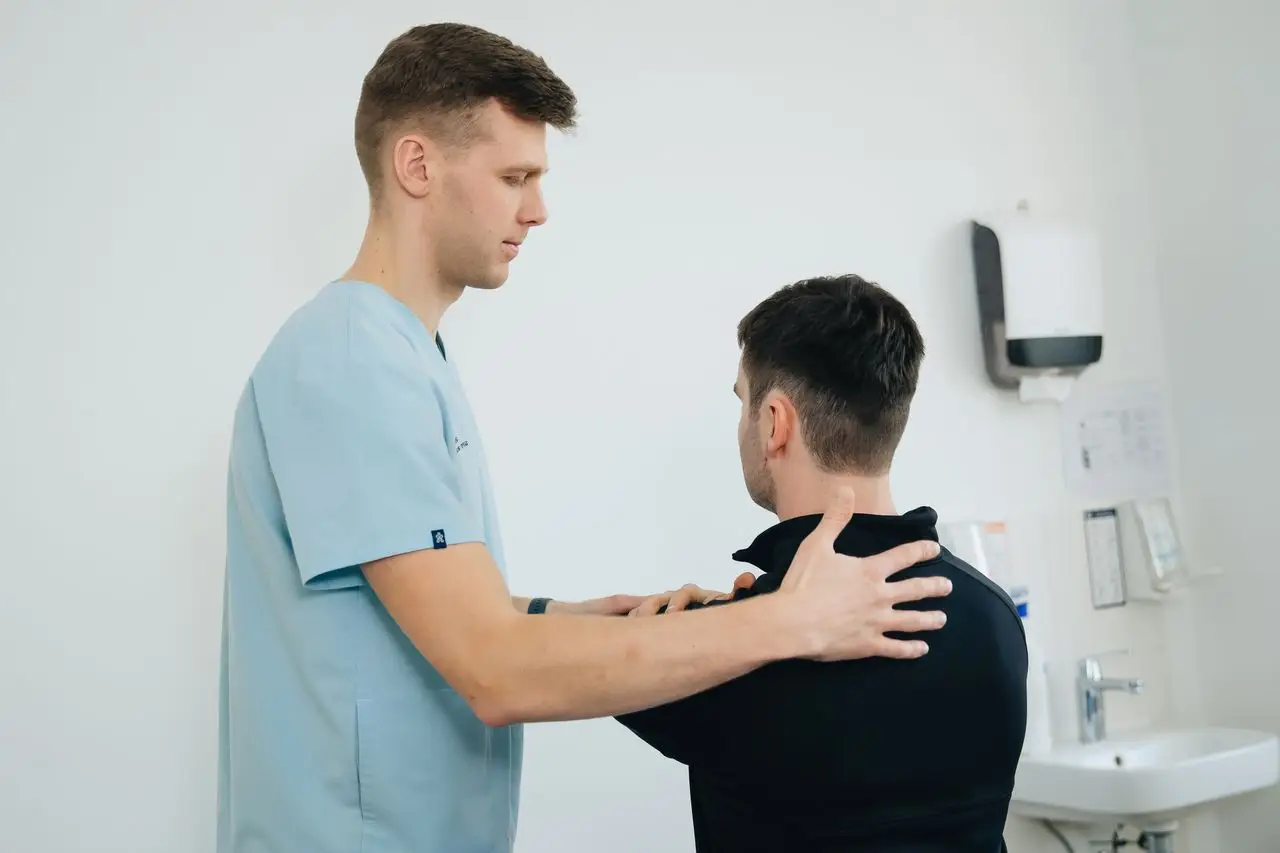
Our physiotherapists begin with an assessment of your shoulder movement, symptoms, strength, and functional limitations.
Your treatment programme is then tailored to your individual needs.
Depending on your symptoms and stage of recovery, treatment may include:
- Physiotherapy assessment
- Shoulder mobility exercises
- Progressive strengthening
- Manual therapy
- Movement advice
- Home rehabilitation
- Activity modification
- Guidance on managing pain and stiffness
Our aim is to help you understand your condition, manage your symptoms, and gradually restore useful shoulder movement. To view our price list please click the link below.
https://www.releafphysio.com/price-list/
Why Choose Releaf Physio?
Whether you’re struggling to sleep because of shoulder pain, finding it difficult to get dressed, or simply frustrated by restricted movement, our experienced team provides personalised, evidence-based care.
We help patients:
- Reduce shoulder pain
- Improve shoulder mobility
- Restore strength
- Return to everyday activities
- Manage symptoms during recovery
- Build confidence using their shoulder again
Every rehabilitation programme is tailored to your symptoms, goals, and stage of recovery. To book an appointment please use the link below.
https://www.releafphysio.com/book-online/
Frequently Asked Questions
How long does frozen shoulder take to heal?
Frozen shoulder can take several months or longer to recover from. The exact timeline varies significantly between individuals and depends on factors such as the severity of symptoms and response to treatment.
Can physiotherapy cure frozen shoulder?
Physiotherapy cannot guarantee a specific recovery time, but it can help manage symptoms, maintain movement, improve mobility, and support your return to normal activities.
What are the best exercises for frozen shoulder?
Exercises such as pendulum movements, assisted shoulder flexion, external rotation, wall slides, and appropriate stretching may be useful. The best exercises depend on your symptoms and stage of recovery.
Should I stretch a frozen shoulder?
Gentle stretching may help improve shoulder movement, but forcing the shoulder aggressively can increase irritation. Your exercises should be appropriate for your current symptoms and mobility.
Can frozen shoulder get better without treatment?
Some people experience gradual improvement without formal treatment. However, physiotherapy can provide guidance on managing symptoms, maintaining movement, and progressing rehabilitation safely.
Can I exercise with frozen shoulder?
Yes, but exercises should be adapted to your symptoms. Activities that significantly increase shoulder pain may need to be modified while your shoulder is recovering.
Does frozen shoulder require surgery?
Most people with frozen shoulder do not necessarily require surgery. Treatment depends on the severity and persistence of symptoms, and your healthcare professional can discuss appropriate options if conservative treatment isn’t providing sufficient improvement.
Conclusion
Frozen shoulder can be painful and frustrating, particularly when stiffness starts to interfere with everyday activities.
Although recovery can take time, appropriate physiotherapy exercises and advice can help manage symptoms, maintain shoulder movement, and support gradual recovery.
The most effective exercise programme will depend on your individual symptoms and stage of frozen shoulder. Gentle movement may be more appropriate during the painful early stages, while progressive mobility and strengthening can become increasingly important as your shoulder improves.
If persistent shoulder pain or stiffness is affecting your daily life, a professional assessment can help determine whether frozen shoulder is the likely cause and identify the most appropriate treatment approach.
At Releaf, our physiotherapists can provide personalised rehabilitation to help you manage your symptoms, improve movement, and work towards a return to normal activity.