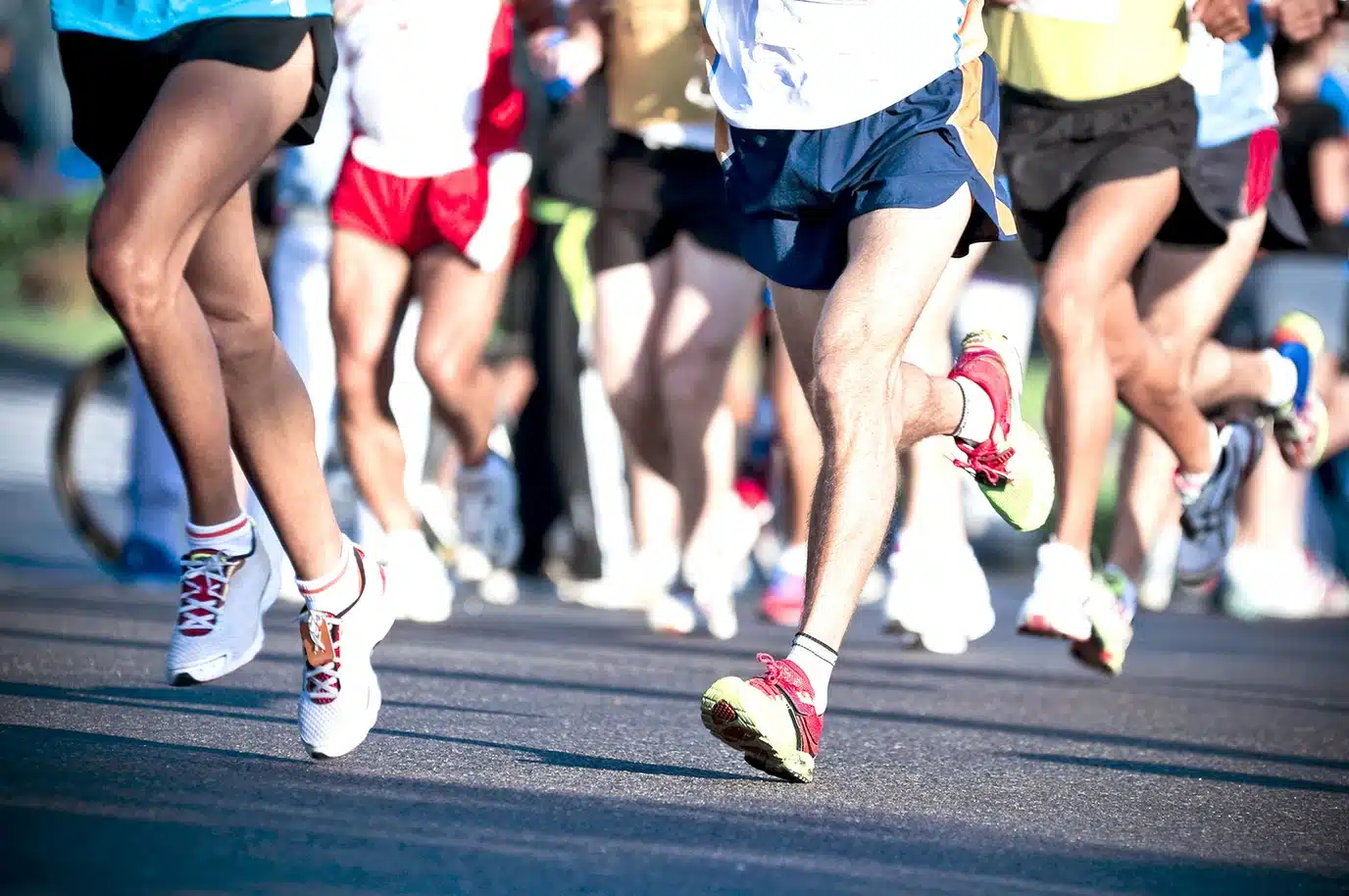
Completing the Great North Run is a fantastic achievement, but crossing the finish line isn’t the end of your recovery. After 13.1 miles, your muscles, tendons, joints, and energy stores all need time to recover from the demands of the race.
It’s normal to experience muscle soreness, stiffness, tiredness, and reduced energy in the days following a half marathon. However, knowing how to recover properly can help you return to normal activities, reduce unnecessary strain, and prepare your body for your next challenge.
Your recovery doesn’t need to involve complete rest. Gentle movement, adequate nutrition, hydration, sleep, and a gradual return to running can all help your body adapt following the race.
In this article, we’ll explore what happens to your body after a half marathon, how to recover following the Great North Run, when you should return to running, common post-race injuries, and when physiotherapy may be helpful.
Key Takeaways
- Muscle soreness and fatigue are common after completing a half marathon.
- Recovery starts as soon as you cross the finish line.
- Gentle movement can help you gradually return to normal activity.
- Adequate sleep, nutrition, and hydration are important parts of post-race recovery.
- You don’t need to rush back into running immediately after the Great North Run.
- Your first runs should be shorter and easier than your normal training.
- Persistent, worsening, or unusual pain shouldn’t simply be dismissed as post-race soreness.
- Physiotherapy can help if you’re struggling to recover, have developed an injury, or want guidance returning to running.
What Happens to Your Body After a Half Marathon?
Running 13.1 miles places considerable physical demands on your body.
During the race, your muscles repeatedly contract and absorb force over a prolonged period. Your cardiovascular system works hard to supply oxygen and energy, while your tendons, joints, and connective tissues are exposed to repeated loading.
After the race, you may notice:
- Muscle soreness
- Stiffness
- Fatigue
- Heavy or tired legs
- Reduced strength
- Reduced energy
- Mild joint discomfort
- General aches and pains
These symptoms can be particularly noticeable when walking downstairs, getting out of a chair, or moving after sitting for a while.
Some post-race soreness is a normal response to completing a demanding physical challenge.
However, not every pain should automatically be attributed to the race.
What Should You Do Immediately After the Great North Run?
Recovery starts before you even leave the finish area.
Once you’ve completed the race, focus on allowing your body to gradually settle.
This may include:
- Walking gently rather than stopping suddenly
- Replacing fluids
- Eating a meal or snack
- Changing out of wet or uncomfortable clothing
- Staying warm
- Avoiding unnecessary additional physical exertion
- Allowing yourself time to rest
You don’t need to perform an elaborate recovery routine immediately after finishing.
The priority is to replace some of the energy and fluids you’ve used and give your body the opportunity to begin recovering.
The First 24 Hours After a Half Marathon
The first day after the race is generally about recovery rather than training.
You may feel significantly more tired than usual, and your legs may feel stiff or sore.
Try to prioritise:
- Rest
- Sleep
- Regular meals
- Adequate fluids
- Gentle movement
- Comfortable activities
- Avoiding demanding exercise
A short walk can be useful if it feels comfortable.
There’s no need to force stretching or exercise if your body is telling you that it needs rest.
Should You Stretch After the Great North Run?
Gentle stretching may feel comfortable for some runners, but you don’t need to aggressively stretch sore muscles following a half marathon.
If stretching feels good, gentle movements can be incorporated into your recovery.
However, avoid forcing a stretch into pain.
Other forms of gentle movement, such as walking and normal daily activity, can also help you gradually loosen up.
Nutrition After a Half Marathon
Running a half marathon uses a significant amount of energy.
Eating appropriately after the race can support recovery and help replenish the energy your body has used during the event.
A balanced post-race diet may include:
- Carbohydrates
- Protein
- Fruit and vegetables
- Healthy fats
- Fluids
Carbohydrates can help replenish energy stores, while protein provides nutrients needed for muscle repair and adaptation.
You don’t necessarily need a special recovery product.
For many runners, a normal balanced meal or snack can provide what they need.
Hydration After the Great North Run
You lose fluids through sweating while running, particularly if the weather is warm.
Replacing fluids after the race is an important part of recovery.
Try to drink regularly after finishing rather than consuming a very large amount of fluid all at once.
Your hydration needs will depend on factors such as:
- Weather conditions
- How much you sweated
- Your body size
- Race duration
- Fluid intake during the race
- Your individual needs
If you’ve experienced significant dehydration symptoms, seek appropriate medical advice.
Sleep and Recovery
Sleep is one of the most important parts of post-race recovery.
Your body needs time to recover from the physical demands of the event, and good-quality sleep can support this process.
After the Great North Run, you may find that you need more sleep than usual.
Try to:
- Maintain a regular sleep routine
- Give yourself enough time in bed
- Avoid scheduling demanding activities immediately after the race
- Allow additional recovery time if you’re particularly fatigued
Don’t be concerned if you need a quieter few days following the event.
Active Recovery After a Half Marathon
Complete inactivity isn’t necessarily required after a race.
Gentle movement can help you gradually return to your normal routine.
Suitable activities may include:
- Walking
- Gentle cycling
- Light mobility exercises
- Normal daily activities
- Easy swimming if comfortable
The intensity should remain low.
The aim isn’t to gain fitness during the immediate recovery period. It’s simply to keep moving comfortably while your body recovers.
When Should You Run Again After the Great North Run?
There isn’t a single number of days that every runner should wait before running again.
Your return to running should depend on:
- How you feel
- Your level of muscle soreness
- Any pain you’re experiencing
- Your previous training volume
- Your race effort
- Your recovery between the race and your next run
Some experienced runners may return to gentle running relatively quickly, while others may benefit from several days or longer away from running.
If you still have significant soreness or pain, there’s no benefit in rushing back.
Your First Run After the Race
When you feel ready to run again, keep your first session easy.
Consider:
- Running for a shorter duration
- Keeping the pace comfortable
- Choosing a familiar, relatively easy route
- Avoiding hard intervals
- Avoiding challenging hill sessions
- Monitoring how your body responds afterwards
Your first run isn’t a fitness test.
The aim is simply to reintroduce running and see how your body responds.
When Can You Return to Normal Training?
Returning to your usual training programme should be gradual.
You may need to reduce your training volume initially before rebuilding it over the following weeks.
Avoid immediately returning to:
- Long runs
- Sprint sessions
- Hard intervals
- Intensive hill training
- High-volume strength training
- Multiple demanding sessions close together
Instead, gradually reintroduce training as your body returns to its normal baseline.
Your next training phase should also take into account whether you have another race or goal approaching.
Common Problems After a Half Marathon
Most runners experience some degree of fatigue or soreness following a half marathon.
However, some runners may develop more specific problems.
Common post-race complaints include:
Knee Pain
Knee pain can develop following the repetitive loading associated with long-distance running.
It may become noticeable during:
- Running
- Walking downstairs
- Squatting
- Getting up from a chair
- Longer periods of activity
Persistent knee pain should be assessed rather than simply assumed to be normal post-race soreness.
Achilles Tendon Pain
The Achilles tendon is exposed to repeated loading during running.
After a half marathon, you may notice:
- Achilles pain
- Stiffness
- Tenderness
- Discomfort when walking or running
If symptoms persist or worsen, reducing aggravating activity and seeking professional advice may be appropriate.
Calf Pain
Your calf muscles work repeatedly throughout a long-distance run.
It’s common for them to feel tired or sore afterwards.
However, sudden sharp pain, significant swelling, or pain that is getting worse should be assessed appropriately.
Plantar Heel Pain
Some runners experience pain underneath or around the heel following increased running loads.
Symptoms may be more noticeable when taking the first steps after resting.
Persistent heel pain may require assessment and an appropriate rehabilitation programme.
Hip and Lower-Back Pain
Changes in running volume, fatigue, or existing movement problems can contribute to hip or lower-back symptoms after a long race.
If pain continues beyond the expected period of post-race soreness, consider seeking professional advice.
How Do You Know If It’s Normal Soreness or an Injury?
It can sometimes be difficult to distinguish between normal post-race muscle soreness and an injury.
Normal post-race soreness may:
- Affect both sides of the body
- Feel like general muscle aching
- Gradually improve over several days
- Be more noticeable when moving after rest
- Improve as you gently move around
Pain that deserves more attention may:
- Be sharp or severe
- Be concentrated in one specific area
- Get progressively worse
- Affect your walking or running technique
- Cause significant swelling
- Persist without improvement
- Return every time you try to run
- Interfere with normal daily activities
If you’re unsure, a physiotherapy assessment can help determine whether your symptoms are consistent with normal recovery or require further management.
Warning Signs You Shouldn’t Ignore
Not every symptom following a half marathon is simply muscle soreness.
Seek appropriate medical advice if you experience:
- Severe or worsening pain
- Significant swelling
- Sudden sharp pain
- Inability to put weight through a leg
- Significant weakness
- Chest pain
- Severe shortness of breath
- Fainting or collapse
- Confusion
- Severe dehydration symptoms
- Dark or unusual urine alongside significant muscle pain or weakness
If you develop concerning symptoms following a race, don’t assume they are part of normal recovery.
How Long Does It Take to Recover From a Half Marathon?
Recovery varies from runner to runner.
A recreational runner completing their first half marathon may need longer to recover than an experienced runner who regularly completes long-distance races.
Your recovery can be influenced by:
- Your training history
- Race pace
- How hard you pushed during the event
- Your previous running volume
- Sleep
- Nutrition
- Hydration
- Existing injuries
- Your general physical condition
You may feel generally better within several days but still not be ready for high-intensity training.
Feeling capable of walking normally doesn’t necessarily mean that your body is ready for another demanding training session.
What About Strength Training After the Great North Run?
Strength training can be valuable for runners, but there’s no need to rush straight back into heavy lifting.
If your legs are still significantly sore, consider allowing additional recovery time.
When you return to strength training:
- Start with manageable loads
- Reduce volume initially
- Avoid training to complete exhaustion
- Pay attention to how your legs respond
- Gradually return to your normal programme
Exercises such as squats, lunges, calf raises, and hip strengthening can eventually form part of a runner’s normal training programme.
Should You Take a Complete Break From Running After a Half Marathon?
Not necessarily.
Some runners benefit from several days away from running, while others may return to gentle activity sooner.
The important factor is how your body is responding.
A short period of reduced training after a major event can be beneficial, particularly if you’ve spent several months preparing for the race.
Recovery is not lost training time.
It’s part of allowing your body to adapt to the workload you’ve completed.
When Should You See a Physiotherapist After a Half Marathon?
You don’t have to wait until you’re significantly injured before seeing a physiotherapist.
An assessment may be useful if you are:
- Experiencing persistent pain after the race
- Struggling to return to running
- Experiencing recurring symptoms
- Developing pain every time you increase your mileage
- Worried about an existing injury returning
- Unsure how quickly to rebuild your training
- Experiencing weakness or reduced movement
- Preparing for another race
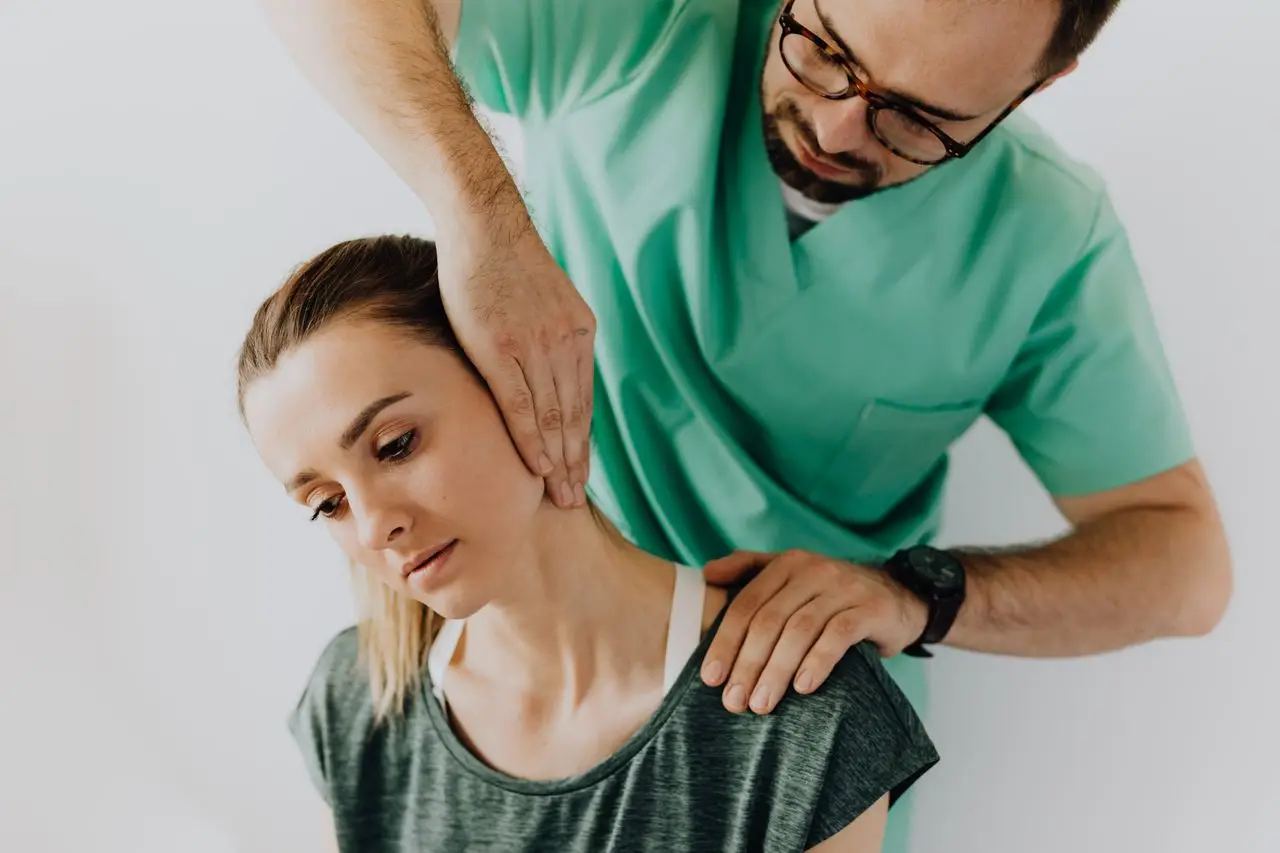
A physiotherapist can assess your symptoms, strength, mobility, training history, and running demands.
They can then help you develop an appropriate plan for returning to running and future training.
How Physiotherapy Can Help With Post-Race Recovery
Physiotherapy isn’t only useful when you’ve sustained an obvious injury.
It can also help runners who are struggling to return to normal training after a demanding race.
Treatment may include:
- Physiotherapy assessment
- Strength testing
- Exercise rehabilitation
- Running-related advice
- Mobility exercises
- Manual therapy where appropriate
- Load management
- Return-to-running planning
- Strength and conditioning
- Injury prevention strategies
The aim is to understand what your body needs to return to the activities you enjoy rather than simply treating individual symptoms.
Why Releaf’s Physiotherapy Approach Can Help
At Releaf, we understand that completing a half marathon is a significant physical achievement.
Whether you’ve developed an injury during training, are struggling with post-race pain, or simply want guidance before returning to your normal running routine, our physiotherapists can help.
Depending on your needs, treatment may include:
- Physiotherapy assessment
- Running-related assessment
- Strength and conditioning
- Exercise rehabilitation
- Manual therapy where appropriate
- Mobility exercises
- Return-to-running guidance
- Training load advice
- Injury prevention strategies
- Preparation for your next race
Rather than simply treating pain, our aim is to understand your individual running demands and help you build the capacity needed for your next challenge. To view our price list please visit https://www.releafphysio.com/price-list/
Why Choose Releaf Physio?
Whether you’ve just completed your first Great North Run or are an experienced half marathon runner, our physiotherapists provide personalised, evidence-informed care.
We can help runners:
- Recover from post-race injuries
- Manage persistent pain
- Return to running safely
- Rebuild strength and fitness
- Address recurring running problems
- Prepare for their next race
- Develop an appropriate training and recovery strategy
- Build confidence following injury
Your recovery should be based on your individual starting point and how your body responds, rather than following a rigid post-race timetable. To book an appointment please visit https://www.releafphysio.com/book-online/
Frequently Asked Questions
How long should I rest after a half marathon?
There isn’t one recovery period that applies to every runner.
Some people may feel ready for gentle running relatively soon, while others may need several days or longer before returning to running.
Listen to your symptoms and avoid rushing back into high-intensity training.
Is it normal to be sore after the Great North Run?
Yes. Muscle soreness, stiffness, and fatigue are common after completing a half marathon.
These symptoms should generally improve over time. Persistent, worsening, or sharp pain should not automatically be considered normal post-race soreness.
When can I run after a half marathon?
Your return to running should depend on how you feel and whether you have any ongoing pain or significant soreness.
When you do return, start with an easy, shorter run and gradually rebuild your normal training.
Should I take a week off running after a half marathon?
Not necessarily. Some runners may benefit from several days away from running, while others may feel ready for gentle activity sooner.
The appropriate recovery period depends on your training history, race effort, symptoms, and individual recovery.
What should I eat after a half marathon?
Aim for a balanced meal or snack containing carbohydrates, protein, and other nutritious foods, alongside appropriate fluid intake.
Your nutritional needs will vary depending on your body, training volume, and overall diet.
Should I stretch after running a half marathon?
Gentle stretching may feel comfortable, but there’s no need to aggressively stretch sore muscles.
Gentle movement and normal daily activity can also help you gradually loosen up.
Why do my legs hurt days after a half marathon?
Delayed muscle soreness can become more noticeable in the days following strenuous exercise.
However, if pain is severe, worsening, concentrated in one area, associated with swelling or weakness, or affecting your ability to walk, seek professional advice.
When should I see a physiotherapist after a half marathon?
Consider seeing a physiotherapist if pain persists, is getting worse, affects your running technique, or prevents you from returning to normal activities.
An assessment can also be useful if you want guidance on returning to training or preparing for your next race.
How can I prevent injury after a half marathon?
Allow your body adequate recovery time before returning to high-intensity training.
Gradually rebuild your running volume, maintain appropriate strength training, and pay attention to any persistent symptoms.
Can I do strength training after a half marathon?
Yes, but you may need to reduce the intensity and volume initially.
Wait until significant muscle soreness has settled and gradually return to your normal strength programme.
Conclusion
Completing the Great North Run is a major physical achievement, and your recovery deserves just as much attention as your preparation.
Some soreness, stiffness, and fatigue are normal following a half marathon. Prioritising sleep, nutrition, hydration, gentle movement, and a gradual return to running can help your body recover from the demands of race day.
You don’t need to rush back into intense training. Giving your body time to recover can help you return to running feeling stronger and reduce the risk of turning post-race symptoms into a longer-term problem.
If you’ve developed persistent pain, are struggling to return to running, or want advice before starting your next training block, physiotherapy can provide an individualised assessment and rehabilitation plan.
At Releaf, our goal is to help you recover well, stay active, and get back to doing the running you enjoy.