Recovering from surgery can feel like a daunting process, but the right rehabilitation programme can make a significant difference to your recovery, mobility, and long-term outcome.
Whether you’ve undergone a joint replacement, ligament reconstruction, spinal procedure, or another orthopaedic operation, physiotherapy plays a vital role in helping you regain strength, restore movement, and return to daily activities safely.
In this article, we’ll explain what post-surgery rehabilitation involves, how physiotherapy can support your recovery, and what you can expect throughout the rehabilitation process.
Key Takeaways
- Physiotherapy is a crucial part of recovery following many surgical procedures.
- Rehabilitation helps restore strength, mobility, flexibility, and function.
- Early intervention can improve recovery outcomes and reduce complications.
- Treatment plans are tailored to the specific surgery and individual patient needs.
- Physiotherapy supports a safe return to daily activities, work, and sport.
Why Is Physiotherapy Important After Surgery?
Surgery is often only one part of the recovery process.
Following an operation, it’s common to experience:
- Pain and swelling
- Muscle weakness
- Joint stiffness
- Reduced mobility
- Loss of balance and coordination
- Difficulty performing everyday tasks
Without appropriate rehabilitation, these issues can persist and potentially delay recovery.
Physiotherapy helps guide the healing process by promoting safe movement, improving function, and helping you regain confidence as you recover.
Which Surgeries Commonly Require Physiotherapy?
Physiotherapy is beneficial following many different procedures, including:
- Total knee replacement
- Total hip replacement
- ACL reconstruction
- Meniscus surgery
- Shoulder surgery
- Rotator cuff repair
- Spinal surgery
- Ankle ligament reconstruction
- Fracture fixation surgery
- Tendon repair procedures
The exact rehabilitation programme will depend on the type of operation, surgical guidelines, and your individual recovery goals.
What Happens During Post-Surgery Rehabilitation?
Post-operative physiotherapy is designed to support each stage of healing while helping you gradually regain normal movement and function.
Your rehabilitation programme will typically progress through several phases.
Phase 1: Protecting the Surgical Site
Immediately after surgery, the priority is protecting the healing tissues while managing pain and swelling.
During this stage, your physiotherapist may help with:
- Gentle mobility exercises
- Swelling management strategies
- Pain reduction techniques
- Walking aids and mobility support
- Education regarding movement precautions
The goal is to encourage safe movement without compromising the surgical repair.
Phase 2: Restoring Range of Motion
As healing progresses, restoring joint mobility becomes increasingly important.
Following surgery, stiffness often develops due to:
- Post-operative swelling
- Pain-related movement restrictions
- Scar tissue formation
- Temporary immobilisation
Physiotherapy may include:
- Joint mobility exercises
- Stretching programmes
- Manual therapy techniques
- Guided movement rehabilitation
Improving range of motion early can help prevent long-term limitations.
Phase 3: Rebuilding Strength
Muscle weakness is common after surgery, particularly if activity levels have been reduced for several weeks or months.
Strengthening exercises help restore:
- Joint stability
- Muscle endurance
- Functional movement
- Overall physical capacity
Depending on your procedure, rehabilitation may focus on:
- Quadriceps strengthening
- Gluteal strengthening
- Core stability
- Shoulder strengthening
- Lower limb conditioning
Exercises are gradually progressed to match your stage of recovery.
Phase 4: Improving Function and Movement
Once strength and mobility improve, rehabilitation shifts towards functional activities.
This may include:
- Walking retraining
- Stair climbing
- Balance exercises
- Sit-to-stand training
- Functional movement practice
The aim is to help you return to everyday activities safely and efficiently.
Phase 5: Return to Work, Exercise, and Sport
The final phase of rehabilitation focuses on achieving your personal goals.
Depending on your lifestyle, this may involve:
- Return-to-work planning
- Gym-based rehabilitation
- Running programmes
- Sports-specific exercises
- Agility and coordination training
Your physiotherapist will guide progression to ensure your body is prepared for increasing physical demands.
How Physiotherapy Helps Recovery After Surgery
Physiotherapy provides a structured and evidence-based approach to recovery.
During your rehabilitation, your physiotherapist will assess:
- Pain levels
- Joint mobility
- Muscle strength
- Balance and coordination
- Walking mechanics
- Functional movement
This allows treatment to be adjusted as your recovery progresses.
Regular monitoring helps ensure you continue moving towards your goals safely and effectively.
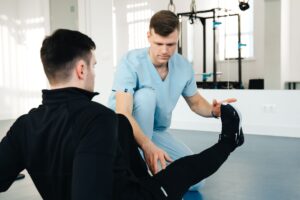
Physiotherapy Treatments Used After Surgery
Manual Therapy
Hands-on treatment techniques can help improve mobility and reduce post-operative stiffness.
These may include:
- Joint mobilisation
- Soft tissue massage
- Scar tissue management
- Assisted stretching
Manual therapy is often used alongside exercise rehabilitation to optimise outcomes.
Exercise Rehabilitation
Exercise is the foundation of post-surgical recovery.
A structured programme can help:
- Restore movement
- Build strength
- Improve flexibility
- Increase confidence
- Enhance overall function
Exercises are carefully selected to match your stage of healing.
Balance and Proprioception Training
Many surgical procedures affect balance and joint awareness.
Targeted exercises help restore:
- Stability
- Coordination
- Confidence during movement
- Injury prevention
This is particularly important following lower limb surgery.
Benefits of Physiotherapy After Surgery
Patients who complete structured physiotherapy often experience:
- Faster recovery
- Improved mobility
- Reduced stiffness
- Better strength and function
- Greater independence
- Reduced risk of complications
- Increased confidence with movement
- Improved long-term outcomes
Rehabilitation is often the key factor that determines how successfully patients return to their normal activities.
When Should You Start Physiotherapy After Surgery?
The timing of physiotherapy depends on the type of surgery performed.
For many procedures, rehabilitation begins within days of the operation.
However, certain surgeries may require a short period of protection before more active rehabilitation starts.
Your surgeon and physiotherapist will work together to determine the most appropriate timeline for your recovery.
Following professional guidance is essential to ensure healing occurs safely.
Why Releaf’s Physiotherapy Is Effective for Post-Surgical Rehabilitation
At Releaf, we understand that every surgical recovery is unique.
Our physiotherapists create personalised rehabilitation programmes designed around your operation, goals, and stage of healing.
Depending on your needs, treatment may include:
- Post-operative physiotherapy assessments
- Manual therapy
- Strength and conditioning programmes
- Mobility rehabilitation
- Balance training
- Sports injury rehabilitation
- Return-to-work and return-to-sport planning
Our goal is to help you recover as efficiently and confidently as possible.
Why Choose Releaf Physiotherapy for Post-Surgery Rehabilitation?
We are committed to providing high-quality, evidence-based rehabilitation tailored to your individual needs.
Our team focuses on:
- Personalised treatment plans
- Clear recovery milestones
- Ongoing progress monitoring
- Long-term functional outcomes
Whether you’ve undergone a joint replacement, ligament reconstruction, spinal surgery, or another procedure, we’re here to support every step of your recovery.

Frequently Asked Questions
How soon should I start physiotherapy after surgery?
This depends on the procedure performed. Many patients begin rehabilitation within days of surgery, while others may require a short period of protection before starting physiotherapy.
Is physiotherapy necessary after surgery?
For many procedures, physiotherapy is an essential part of recovery and can significantly improve mobility, strength, and long-term function.
How long does post-surgery rehabilitation take?
Recovery timelines vary depending on the operation and individual factors. Some patients recover within a few weeks, while others may require several months of rehabilitation.
Will physiotherapy be painful after surgery?
Some exercises may feel challenging, particularly in the early stages. However, treatment should be carefully managed to support healing without causing unnecessary pain.
Can physiotherapy help prevent complications after surgery?
Yes. Physiotherapy can reduce the risk of stiffness, muscle weakness, poor movement patterns, and delayed recovery by promoting safe and progressive rehabilitation.
Conclusion
Surgery is often the first step towards recovery, but rehabilitation is what helps you regain strength, movement, and confidence.
Physiotherapy provides a structured pathway through every stage of post-operative recovery, helping you achieve the best possible outcome and return to the activities that matter most.
If you’ve recently undergone surgery or have an upcoming procedure planned, our experienced physiotherapists can help guide your recovery and support your return to full function.
Book an assessment today and take the next step towards a stronger, more confident recovery.