Experiencing hip pain that makes walking, exercising, or even sleeping uncomfortable? Physiotherapy can help identify the cause of your symptoms, reduce pain, and restore movement so you can get back to living an active life.
In this article, we’ll explore the common causes of hip pain, how physiotherapy can help, and when it’s time to seek professional treatment.
Key Takeaways
- Hip pain can result from injuries, muscle strains, arthritis, tendon problems, and overuse.
- Symptoms may include stiffness, reduced mobility, groin pain, or discomfort in the buttock or thigh.
- Physiotherapy helps identify the root cause of hip pain and provides targeted treatment.
- Early intervention can prevent symptoms from worsening and improve recovery outcomes.
- Treatment may include manual therapy, exercise rehabilitation, strengthening programmes, and movement retraining.
What Causes Hip Pain?
The hip is one of the body’s largest and most important joints, supporting your weight during walking, running, climbing stairs, and everyday movement.
Because it plays such a significant role in mobility, the hip is exposed to considerable stress throughout life. As a result, hip pain is a common complaint affecting people of all ages.
Some of the most common causes of hip pain include:
- Muscle strains and soft tissue injuries
- Tendon irritation or tendinopathy
- Hip bursitis
- Osteoarthritis
- Sports injuries
- Labral tears
- Hip impingement
- Lower back conditions referring pain into the hip
- Overuse injuries
- Weakness or muscle imbalances
The location of your pain can often provide clues about the underlying cause. Pain in the groin is frequently linked to the hip joint itself, while pain on the outside of the hip may indicate tendon or bursa-related issues.

Common Symptoms of Hip Pain
Hip pain can vary greatly depending on the underlying condition.
Common symptoms include:
- Pain in the groin, buttock, thigh, or outer hip
- Stiffness and reduced range of motion
- Difficulty walking or climbing stairs
- Pain when standing after sitting
- Discomfort during exercise
- Pain when lying on the affected side
- Clicking or catching sensations within the joint
- Weakness around the hip
Some people experience gradual symptoms that worsen over time, while others develop pain suddenly following an injury.
Conditions That Commonly Cause Hip Pain
Hip Osteoarthritis
Hip osteoarthritis occurs when the protective cartilage within the joint gradually wears down.
Symptoms often include:
- Joint stiffness
- Groin pain
- Reduced mobility
- Pain during walking or weight-bearing activities
Physiotherapy can help improve joint function, maintain mobility, and reduce discomfort associated with arthritis.
Greater Trochanteric Pain Syndrome (GTPS)
Previously referred to as hip bursitis, GTPS is one of the most common causes of pain on the outside of the hip.
Symptoms may include:
- Pain when lying on the affected side
- Tenderness around the outer hip
- Discomfort during walking or climbing stairs
This condition often responds well to physiotherapy and targeted strengthening exercises.
Hip Impingement
Hip impingement occurs when the bones of the hip joint do not move smoothly together.
This can lead to:
- Groin pain
- Reduced hip mobility
- Pain during deep squatting
- Clicking sensations within the joint
Early treatment can help prevent ongoing irritation and improve movement patterns.
Muscle and Tendon Injuries
Strains involving the hip flexors, gluteal muscles, hamstrings, or adductors can cause significant discomfort.
These injuries commonly occur during:
- Running
- Football
- Rugby
- Gym training
- Sudden changes in direction
Physiotherapy helps restore strength and flexibility while reducing the risk of reinjury.
How Physiotherapy Helps Hip Pain
Physiotherapy focuses on identifying the source of your symptoms and addressing the factors contributing to pain.
During your initial assessment, your physiotherapist will examine:
- Hip mobility
- Muscle strength
- Walking patterns
- Joint movement
- Posture and biomechanics
- Activity levels and lifestyle factors
This detailed assessment allows for an individualised treatment plan designed specifically for your condition.
Physiotherapy Treatments for Hip Pain
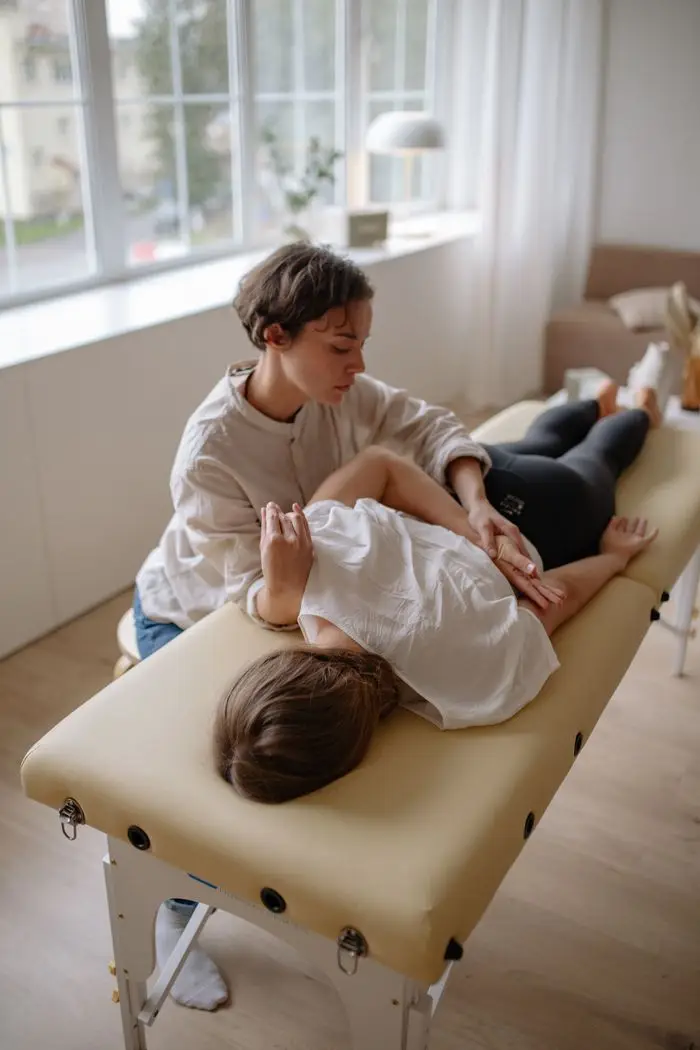
Manual Therapy
Hands-on treatment can help improve mobility, reduce stiffness, and relieve discomfort.
Techniques may include:
- Joint mobilisation
- Soft tissue massage
- Muscle release techniques
- Stretching interventions
Manual therapy is often used alongside exercise rehabilitation for optimal results.
Exercise Rehabilitation
Exercise is one of the most effective treatments for many hip conditions.
A structured programme may help:
- Improve strength
- Increase flexibility
- Restore normal movement patterns
- Reduce joint stress
- Improve balance and stability
Exercises are tailored to your condition, fitness level, and goals.
Strength and Conditioning
Weakness in the gluteal muscles, core, and lower limbs can contribute to hip pain.
Strengthening programmes often focus on:
- Gluteal muscles
- Hip stabilisers
- Core muscles
- Leg strength
Improving strength can reduce pressure on painful structures and improve long-term outcomes.
Movement and Gait Retraining
Poor movement patterns can place excessive strain on the hip joint.
Your physiotherapist may assess and correct:
- Walking mechanics
- Running technique
- Squatting patterns
- Sporting movements
This helps reduce unnecessary stress and prevent recurrence.
Benefits of Physiotherapy for Hip Pain
Many patients experience substantial improvements following physiotherapy treatment.
Benefits may include:
- Reduced pain
- Improved mobility
- Better walking ability
- Increased strength
- Enhanced flexibility
- Improved sporting performance
- Reduced risk of future injury
- Better overall quality of life
Importantly, physiotherapy aims to address the cause of symptoms rather than simply managing pain.

When Should You Seek Professional Help?
While some minor aches and pains settle naturally, professional assessment is recommended if:
- Hip pain lasts longer than two weeks
- Symptoms are worsening
- Walking becomes difficult
- Pain affects sleep
- You notice weakness or instability
- Symptoms are preventing exercise or work activities
- Pain developed following a significant injury
Seeking treatment early can often lead to faster recovery and help prevent chronic issues from developing.
Why Releaf’s Physiotherapy Is Effective for Hip Pain
At Releaf, we provide personalised physiotherapy treatment designed to identify and address the underlying cause of your hip pain.
Our comprehensive approach may include:
- Detailed physiotherapy assessments
- Manual therapy
- Sports massage
- Exercise rehabilitation
- Strength and conditioning programmes
- Dry needling
- Injury prevention strategies
Whether your symptoms stem from arthritis, tendon pain, sporting injuries, or movement dysfunction, our team works with you to create a tailored treatment plan focused on long-term recovery.
Why Choose Releaf Physio for Hip Pain Treatment?
Our experienced physiotherapists are committed to helping you return to the activities you enjoy with confidence.
We focus on:
- Accurate diagnosis
- Evidence-based treatment
- Personalised rehabilitation
- Long-term recovery and prevention
Our goal is to help you move better, feel stronger, and live with less pain.
Frequently Asked Questions
Can physiotherapy help hip arthritis?
Yes. Physiotherapy can help reduce pain, improve mobility, strengthen supporting muscles, and maintain function for individuals with hip osteoarthritis.
What is the most common cause of hip pain?
Common causes include osteoarthritis, tendon problems, muscle strains, hip impingement, and bursitis-related conditions.
Should I continue exercising if I have hip pain?
In many cases, modified exercise is beneficial. However, it’s important to identify the cause of your symptoms and follow appropriate guidance from a healthcare professional.
How long does it take for hip pain to improve?
Recovery times vary depending on the underlying condition. Some patients improve within a few weeks, while others may require a longer rehabilitation programme.
Can hip pain come from the lower back?
Yes. Certain lower back conditions can refer pain into the hip, buttock, or thigh. A physiotherapy assessment can help determine the true source of symptoms.
Conclusion
Hip pain can affect every aspect of daily life, from walking and exercising to sleeping comfortably at night.
The good news is that physiotherapy offers an effective, evidence-based approach to reducing pain, improving mobility, and addressing the underlying causes of your symptoms.
If hip pain is limiting your movement or affecting your quality of life, booking an assessment with an experienced physiotherapist could be the first step towards lasting relief and improved function.