Experiencing elbow pain that’s making it difficult to work, exercise, lift objects, or play sport? Two of the most common causes of elbow pain are tennis elbow and golfer’s elbow. Despite their names, you don’t need to play tennis or golf to develop either condition.
While both conditions involve irritation of the tendons around the elbow, they affect different areas of the joint and require slightly different treatment approaches.
In this article, we’ll explain the differences between tennis elbow and golfer’s elbow, their symptoms, causes, and how physiotherapy can help you recover.



Key Takeaways
- Tennis elbow affects the tendons on the outside of the elbow, while golfer’s elbow affects the tendons on the inside.
- Both conditions are typically caused by repetitive strain and overuse.
- Symptoms often include pain, weakness, and difficulty gripping objects.
- Physiotherapy is one of the most effective treatments for both conditions.
- Early treatment can help prevent symptoms from becoming chronic.
What Is Tennis Elbow?
Tennis elbow, medically known as lateral epicondylitis or lateral elbow tendinopathy, occurs when the tendons that attach to the outside of the elbow become irritated or overloaded. The condition primarily affects the wrist extensor muscles, which help lift the wrist and fingers. Despite the name, only a small percentage of cases are actually caused by playing tennis. Tennis elbow commonly affects:- Office workers
- Tradespeople
- Builders
- Mechanics
- Gardeners
- Racquet sport athletes
- Individuals performing repetitive lifting tasks
What Is Golfer’s Elbow?
Golfer’s elbow, medically known as medial epicondylitis or medial elbow tendinopathy, affects the tendons attached to the inside of the elbow. These tendons control the muscles responsible for wrist flexion and gripping activities. Like tennis elbow, golfer’s elbow is usually caused by repetitive movements rather than golf itself. Commonly affected individuals include:- Golfers
- Gym-goers
- Manual workers
- Climbers
- Racquet sport athletes
- People performing repetitive gripping tasks
Tennis Elbow vs Golfer’s Elbow: What’s the Main Difference?
The primary difference lies in the location of the pain.Tennis Elbow
Tennis elbow typically causes:- Pain on the outside of the elbow
- Tenderness over the lateral epicondyle
- Pain when gripping objects
- Pain when lifting with the palm facing down
- Discomfort during wrist extension activities
Golfer’s Elbow
Golfer’s elbow typically causes:- Pain on the inside of the elbow
- Tenderness over the medial epicondyle
- Pain when gripping tightly
- Discomfort during wrist flexion activities
- Pain when lifting with the palm facing upwards
Common Symptoms of Tennis Elbow
Symptoms of tennis elbow may include:- Pain on the outer elbow
- Weak grip strength
- Pain when lifting objects
- Difficulty opening jars
- Discomfort when shaking hands
- Pain when typing or using a computer mouse
- Symptoms that worsen with repetitive activity
Common Symptoms of Golfer’s Elbow
Symptoms of golfer’s elbow may include:- Pain on the inner elbow
- Tenderness along the inside of the forearm
- Weakness when gripping
- Pain during lifting activities
- Discomfort during sports involving throwing or swinging
- Stiffness around the elbow joint
What Causes Tennis Elbow and Golfer’s Elbow?
Both conditions are generally caused by repetitive stress placed on the tendons over time. Common contributing factors include:- Repetitive lifting
- Manual labour
- Poor sporting technique
- Sudden increases in training volume
- Inadequate recovery between activities
- Muscle weakness
- Poor workplace ergonomics
How Physiotherapy Helps Tennis Elbow and Golfer’s Elbow
Physiotherapy focuses on identifying the root cause of symptoms and helping the tendon tolerate load more effectively. During your assessment, a physiotherapist may evaluate:- Grip strength
- Elbow mobility
- Wrist strength
- Movement patterns
- Sporting technique
- Workplace activities
- Contributing shoulder and neck issues
Physiotherapy Treatments for Elbow Tendinopathy
Exercise Rehabilitation
Exercise is considered one of the most effective treatments for both tennis elbow and golfer’s elbow. A structured programme may help:- Improve tendon capacity
- Reduce pain
- Restore strength
- Improve function
- Prevent recurrence
Manual Therapy
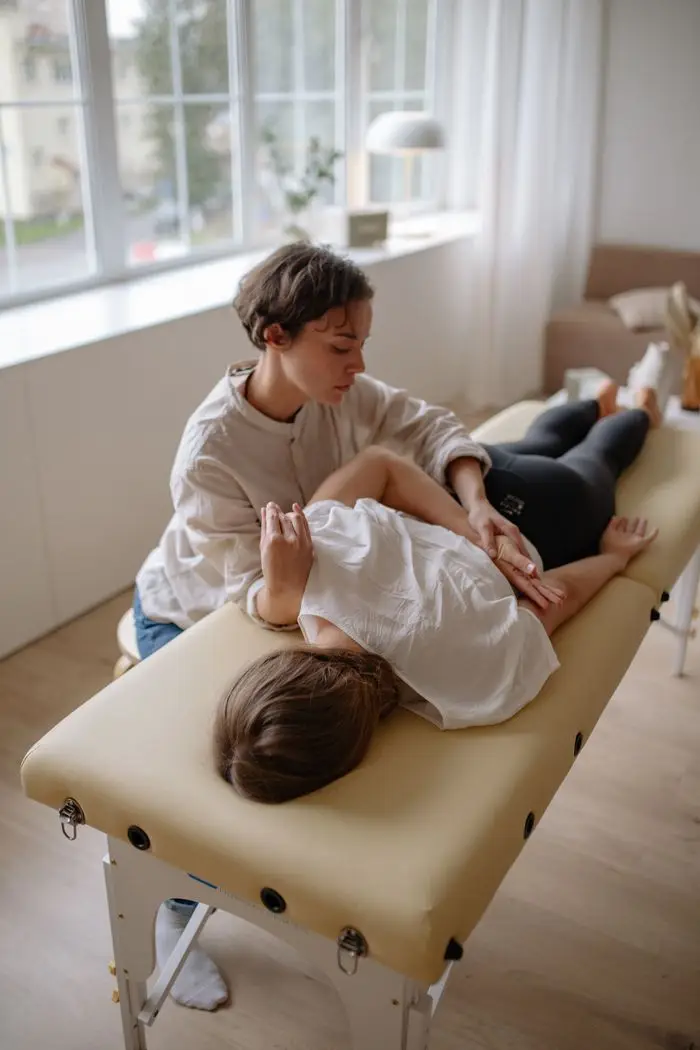
Hands-on treatment may help reduce discomfort and improve movement. Techniques may include:- Soft tissue massage
- Joint mobilisation
- Muscle release techniques
- Forearm mobility work
Activity Modification
In many cases, symptoms are aggravated by specific tasks. Your physiotherapist may advise temporary modifications to:- Sporting activities
- Gym exercises
- Work tasks
- Lifting techniques
Shockwave Therapy
For persistent or chronic tendon pain, shockwave therapy may be considered. Shockwave therapy can:- Stimulate healing
- Improve blood flow
- Reduce pain sensitivity
- Support tendon recovery
How Long Does Recovery Take?
Recovery times vary depending on:- Symptom duration
- Tendon health
- Activity levels
- Treatment compliance
When Should You Seek Professional Help?
You should consider seeing a physiotherapist if:- Elbow pain has persisted for more than a few weeks
- Symptoms are worsening
- Grip strength is decreasing
- Pain is affecting work or sport
- Home treatments have not helped
- Symptoms repeatedly return
Why Releaf’s Physiotherapy Is Effective for Tennis Elbow and Golfer’s Elbow
At Releaf, we provide evidence-based treatment for tendon injuries and elbow pain. Following a detailed assessment, your treatment plan may include:- Physiotherapy assessment
- Exercise rehabilitation
- Manual therapy
- Shockwave therapy
- Sports injury rehabilitation
- Strength and conditioning programmes
- Return-to-sport planning
Why Choose Releaf Physio?
Our experienced physiotherapists understand how frustrating persistent elbow pain can be. We focus on:- Accurate diagnosis
- Evidence-based treatment
- Personalised rehabilitation programmes
- Long-term recovery and prevention