Pregnancy is an exciting journey, but it can also bring physical challenges as your body adapts to support your growing baby. Many women experience aches, pains, and discomfort during pregnancy, particularly in the lower back, pelvis, hips, and joints.
The good news is that physiotherapy can provide safe, effective relief throughout pregnancy, helping you stay comfortable, active, and confident as your body changes.
In this article, we’ll explore some of the most common pregnancy-related conditions, how physiotherapy can help, and when to seek professional support.


Key Takeaways
- Back pain and pelvic girdle pain are among the most common musculoskeletal complaints during pregnancy.
- Physiotherapy provides safe, non-invasive treatment tailored to each stage of pregnancy.
- Treatment may include manual therapy, exercise, posture advice, and movement education.
- Early intervention can help prevent symptoms from worsening and improve daily comfort.
- Physiotherapy can also help prepare the body for labour, delivery, and postnatal recovery.
Why Does Pregnancy Cause Aches and Pains?
During pregnancy, the body undergoes significant physical and hormonal changes. As your baby grows, these changes can affect posture, movement, and the way your muscles and joints function. Common contributing factors include:- Weight gain and changes in centre of gravity
- Increased joint laxity caused by pregnancy hormones
- Postural adaptations
- Increased stress on the lower back and pelvis
- Changes in walking patterns
- Reduced core stability
Common Pregnancy-Related Conditions
Pregnancy-Related Back Pain
Lower back pain affects a large proportion of pregnant women and can occur at any stage of pregnancy. Symptoms may include:- Aching in the lower back
- Stiffness after sitting
- Pain when standing for long periods
- Discomfort when turning in bed
- Pain during walking or lifting
Pelvic Girdle Pain (PGP)
Pelvic girdle pain is one of the most common reasons pregnant women seek physiotherapy. PGP refers to pain arising from the joints and structures of the pelvis and can significantly impact daily activities. Symptoms often include:- Pain around the pelvis
- Discomfort in the hips or groin
- Pain when walking
- Difficulty climbing stairs
- Pain when standing on one leg
- Discomfort turning over in bed
Hip Pain During Pregnancy
As posture and movement patterns change throughout pregnancy, many women experience hip pain. This may be caused by:- Increased joint stress
- Muscle tension
- Pelvic instability
- Altered walking mechanics
Sciatica and Nerve-Related Symptoms
Some women develop symptoms such as:- Pain radiating into the buttock or leg
- Tingling sensations
- Numbness
- Burning discomfort
Rib and Thoracic Pain
As the baby grows and the rib cage expands, discomfort around the ribs and upper back may occur. Symptoms can include:- Sharp pain around the ribs
- Mid-back discomfort
- Pain when changing position
- Difficulty finding comfortable sleeping positions
How Physiotherapy Helps During Pregnancy
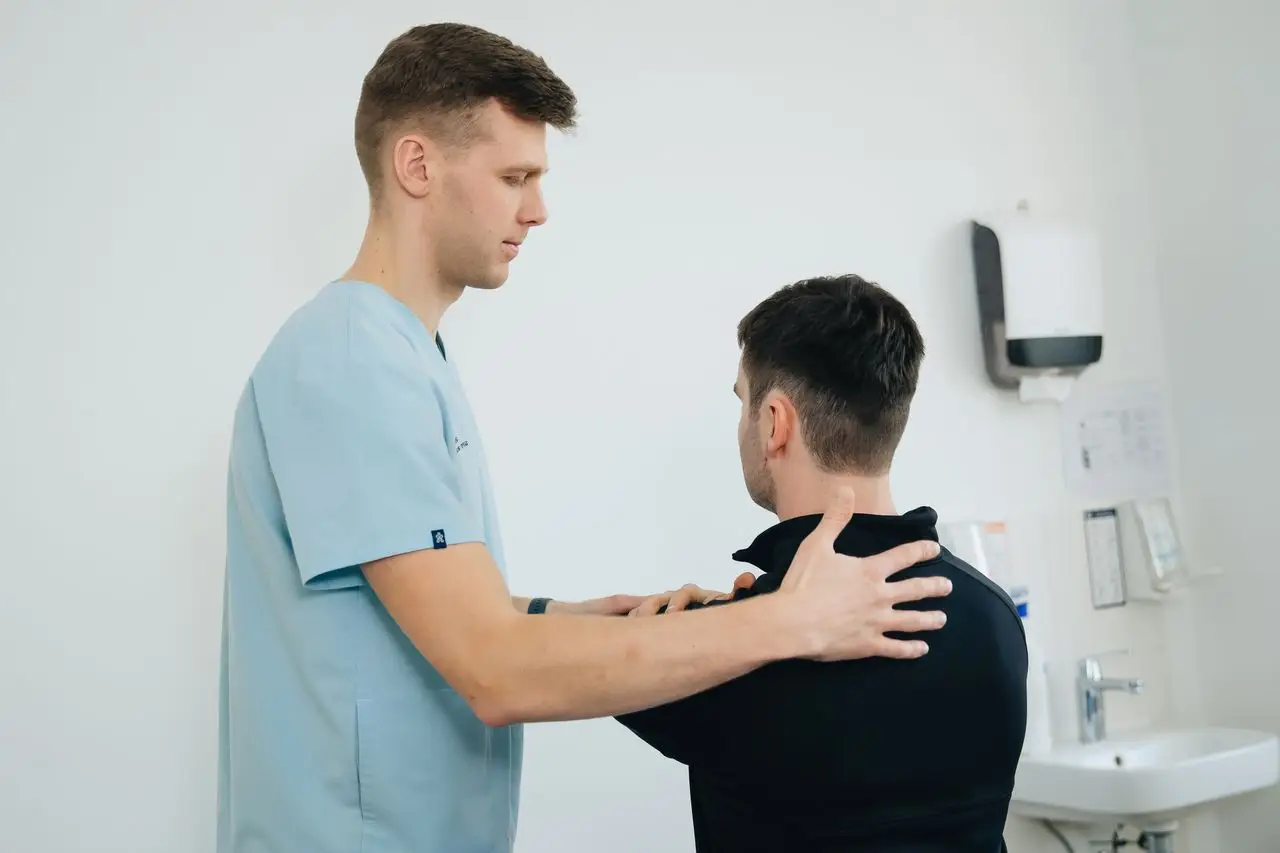
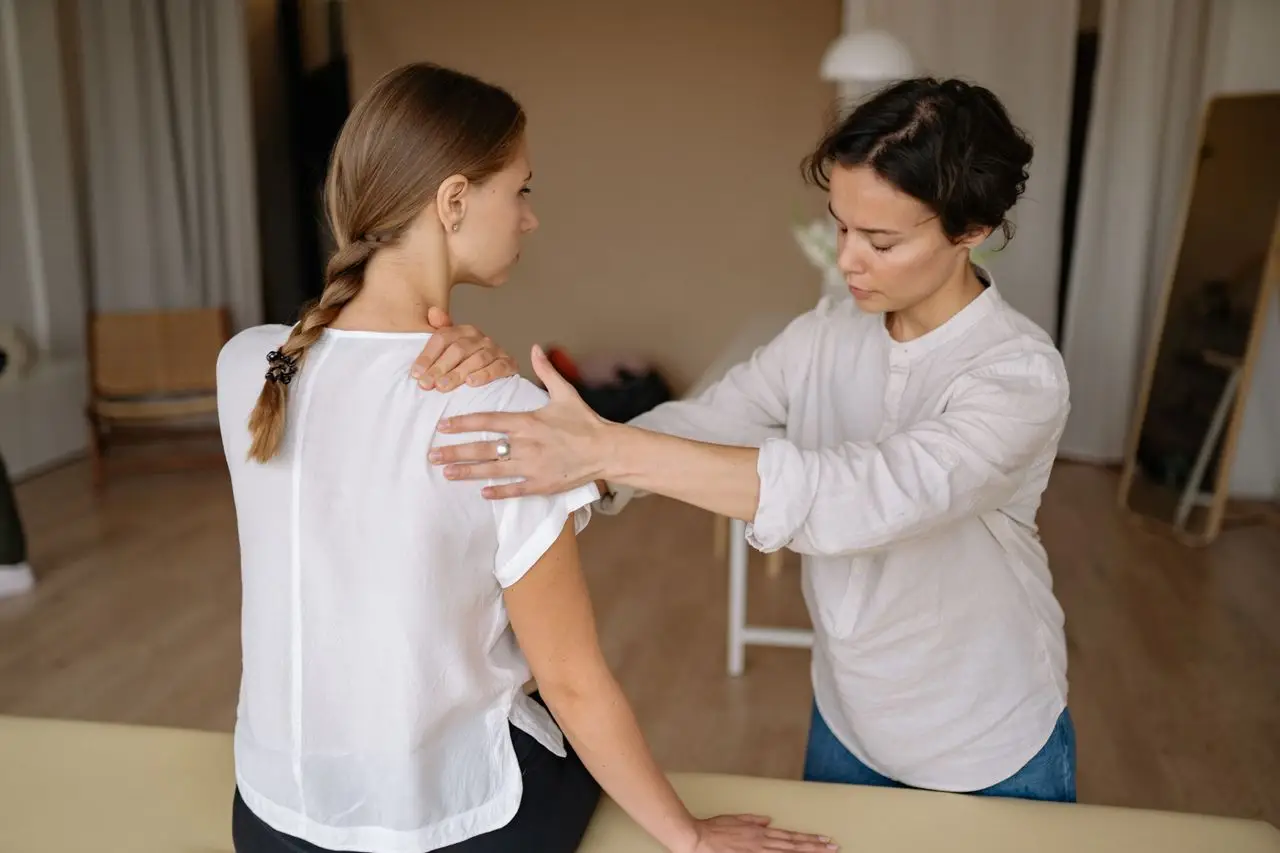
Pregnancy physiotherapy focuses on reducing discomfort, improving movement, and helping you maintain an active lifestyle throughout pregnancy. During your assessment, a physiotherapist will evaluate:- Posture
- Movement patterns
- Joint mobility
- Muscle strength
- Pelvic function
- Daily activities and lifestyle factors
Physiotherapy Treatments During Pregnancy
Manual Therapy
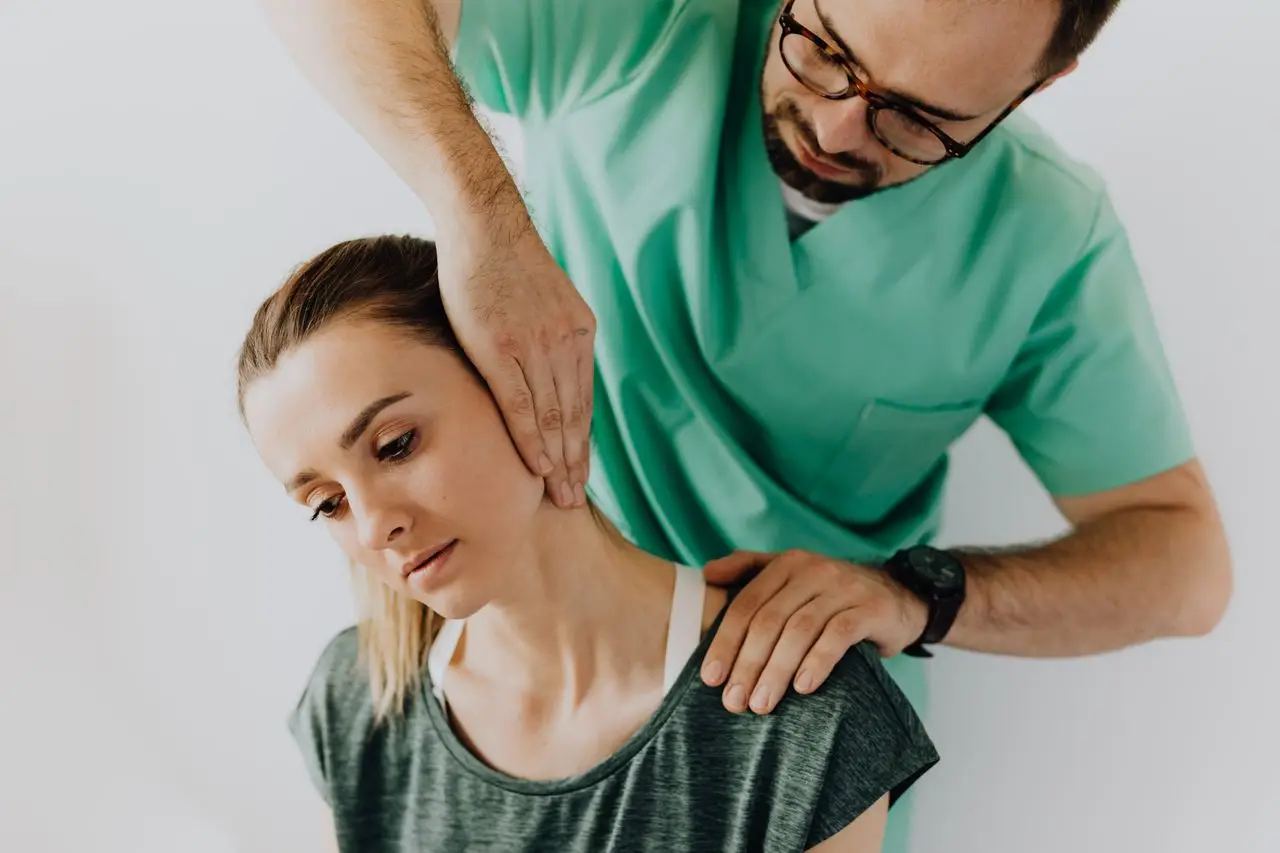
Hands-on treatment techniques can help relieve muscle tension, improve mobility, and reduce discomfort. Depending on your symptoms, treatment may include:- Soft tissue massage
- Joint mobilisation
- Muscle release techniques
- Pregnancy-safe manual therapy
Exercise Rehabilitation
Exercise is one of the most effective ways to manage many pregnancy-related aches and pains. A physiotherapist may prescribe exercises to:- Improve strength
- Support the pelvis and lower back
- Enhance stability
- Improve flexibility
- Promote healthy movement patterns
Postural Education
As your body changes, small adjustments in posture and movement can make a significant difference. Your physiotherapist may provide advice on:- Sitting posture
- Standing posture
- Sleeping positions
- Lifting techniques
- Daily activity modification
Pelvic Floor Training
Pelvic floor exercises are an important part of pregnancy care. Strengthening the pelvic floor can help:- Support the bladder and bowel
- Improve pelvic stability
- Prepare for labour and delivery
- Support postnatal recovery
Benefits of Physiotherapy During Pregnancy
Many women experience significant improvements following physiotherapy treatment. Benefits may include:- Reduced back pain
- Relief from pelvic girdle pain
- Improved mobility
- Better posture
- Increased strength and stability
- Improved confidence with movement
- Better preparation for childbirth
- Enhanced postnatal recovery
Preparing for Labour and Postnatal Recovery
Physiotherapy isn’t only beneficial during pregnancy. Many physiotherapists also provide guidance on:- Labour preparation
- Breathing techniques
- Pelvic floor function
- Recovery after birth
- Returning to exercise safely
When Should You Seek Professional Help?
You should consider seeing a physiotherapist if:- Back or pelvic pain is affecting daily activities
- Walking becomes uncomfortable
- Pain is interfering with sleep
- Symptoms are worsening
- You experience significant pelvic girdle pain
- You’re unsure how to exercise safely during pregnancy
Why Releaf’s Pregnancy Physiotherapy Is Effective
At Releaf, we understand that every pregnancy is unique. Our physiotherapists provide personalised care designed to help you manage discomfort, maintain mobility, and prepare for childbirth. Depending on your needs, treatment may include:- Pregnancy physiotherapy assessments
- Manual therapy
- Exercise rehabilitation
- Pelvic floor training
- Postural advice
- Pelvic girdle pain management
- Postnatal rehabilitation planning
Why Choose Releaf?
We provide compassionate, evidence-based care tailored specifically to the needs of pregnant women. Our team focuses on:- Safe and effective treatment
- Personalised care plans
- Pregnancy-specific expertise
- Long-term wellbeing and recovery