Suffering from persistent heel pain caused by plantar fasciitis? If stretching, rest, and traditional treatments haven’t provided lasting relief, shockwave therapy may be an effective solution.
Shockwave therapy has become an increasingly popular treatment for plantar fasciitis, helping many patients reduce pain and return to their normal activities without the need for surgery.
In this article, we’ll explore how shockwave therapy works, its benefits, and whether it could be the right treatment option for your plantar fasciitis.
Key Takeaways
- Plantar fasciitis is one of the most common causes of heel pain.
- Shockwave therapy uses acoustic waves to stimulate healing in damaged tissue.
- It can reduce pain, improve function, and accelerate recovery in chronic cases.
- Treatment is non-invasive, requires minimal downtime, and is often used when symptoms have persisted for several months.
- Combining shockwave therapy with physiotherapy often produces the best results.
What Is Plantar Fasciitis?
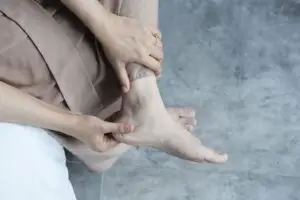
Plantar fasciitis is a condition involving irritation and degeneration of the plantar fascia, a thick band of tissue that runs along the bottom of the foot from the heel to the toes.
The plantar fascia helps support the arch of the foot and absorbs forces generated during walking and running. When excessive stress is placed on this tissue, small tears and irritation can develop, leading to pain and stiffness.
Plantar fasciitis is one of the most common causes of heel pain and affects both active individuals and those with more sedentary lifestyles.
Symptoms of Plantar Fasciitis
The most common symptoms include:
- Sharp pain underneath the heel
- Pain when taking the first steps in the morning
- Discomfort after long periods of sitting
- Pain that worsens after prolonged standing
- Heel tenderness when pressure is applied
- Stiffness in the sole of the foot
- Pain during walking, running, or exercise
Many people find that symptoms improve slightly during activity but return later in the day.
Without treatment, plantar fasciitis can become a long-term condition that significantly impacts daily activities and exercise.
What Causes Plantar Fasciitis?
Several factors can contribute to the development of plantar fasciitis, including:
- Excessive walking or running
- Sudden increases in training volume
- Poor footwear
- Tight calf muscles
- Reduced ankle mobility
- Flat feet or high arches
- Standing for long periods
- Excess body weight
- Occupations that involve prolonged standing
In many cases, plantar fasciitis develops gradually due to repetitive strain placed on the plantar fascia over time.
What Is Shockwave Therapy?
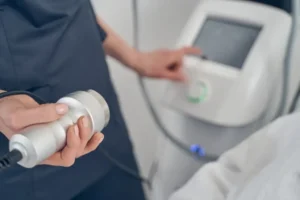
Shockwave therapy, also known as Extracorporeal Shockwave Therapy (ESWT), is a non-invasive treatment that uses high-energy acoustic waves to stimulate the body’s natural healing response.
The treatment is applied directly to the affected area using a handheld device.
Unlike injections or surgery, shockwave therapy works by encouraging tissue regeneration and improving blood flow within damaged tissues.
It is commonly used to treat:
- Plantar fasciitis
- Achilles tendinopathy
- Tennis elbow
- Patellar tendinopathy
- Shoulder tendon injuries
- Chronic soft tissue pain
Shockwave therapy is particularly effective for chronic conditions that have not responded well to other treatments.
How Does Shockwave Therapy Work for Plantar Fasciitis?
When shockwaves are delivered to the plantar fascia, several beneficial processes occur.
These include:
- Increased blood circulation
- Stimulation of tissue repair
- Breakdown of abnormal tissue changes
- Improved collagen production
- Reduction in pain sensitivity
- Promotion of cellular healing
The treatment essentially “restarts” the healing process within tissue that may have struggled to recover naturally.
Over time, this can lead to significant reductions in pain and improvements in function.
Does Shockwave Therapy Really Work?
For many patients, yes.
Research has shown that shockwave therapy can be highly effective for chronic plantar fasciitis, particularly when symptoms have persisted for several months despite conservative treatment.
Many patients report:
- Reduced heel pain
- Improved walking tolerance
- Increased activity levels
- Better sporting performance
- Improved quality of life
Results are often most noticeable several weeks after treatment, as the body’s natural healing response continues to develop.
While outcomes vary between individuals, shockwave therapy has become a widely used treatment option due to its strong clinical evidence and low risk profile.
Who Is a Good Candidate for Shockwave Therapy?
Shockwave therapy is often recommended for individuals who:
- Have experienced plantar fasciitis symptoms for more than three months
- Have not responded fully to stretching programmes
- Continue to experience pain despite physiotherapy
- Want to avoid injections or surgery
- Have recurring heel pain
A detailed assessment is important to determine whether shockwave therapy is appropriate for your specific condition.
What Happens During Treatment?
Shockwave therapy sessions are relatively quick and straightforward.
During treatment:
- The affected area is identified.
- Ultrasound gel is applied to the skin.
- A handheld device delivers acoustic waves to the painful area.
- Treatment typically lasts between 5 and 15 minutes.
Some patients experience mild discomfort during the procedure, particularly in sensitive areas, but treatment is generally well tolerated.
Most treatment programmes involve a series of sessions over several weeks.
Benefits of Shockwave Therapy for Plantar Fasciitis
Shockwave therapy offers several advantages compared to more invasive treatment options.
Benefits include:
- Non-surgical treatment
- Minimal downtime
- No injections required
- Short treatment sessions
- Stimulates natural healing
- Can improve long-term outcomes
- Suitable for many chronic cases
Many patients can continue with their normal activities throughout the course of treatment.
Combining Shockwave Therapy with Physiotherapy
While shockwave therapy can be highly effective on its own, the best outcomes are often achieved when combined with physiotherapy.
Physiotherapy may include:
- Stretching programmes
- Strengthening exercises
- Foot and ankle rehabilitation
- Gait assessment
- Load management advice
- Footwear recommendations
This comprehensive approach helps address both the symptoms and underlying factors contributing to plantar fasciitis.
When Should You Seek Professional Help?
You should consider professional assessment if:
- Heel pain persists for more than a few weeks
- Symptoms are worsening
- Walking becomes uncomfortable
- Pain is limiting exercise or sport
- Home treatments have not been successful
- Symptoms continue to return
Early intervention can often prevent plantar fasciitis from becoming a chronic problem.
Why Releaf’s Shockwave Therapy Is Effective for Plantar Fasciitis
At Releaf, we use advanced shockwave therapy alongside evidence-based physiotherapy treatments to help patients achieve lasting relief from plantar fasciitis.
Our approach begins with a comprehensive assessment to identify the factors contributing to your heel pain.
Depending on your needs, treatment may include:
- Shockwave therapy
- Physiotherapy rehabilitation
- Exercise prescription
- Strength and mobility training
- Gait and biomechanical assessment
- Footwear advice
- Return-to-sport planning
By combining multiple treatment approaches, we aim to provide faster recovery and better long-term outcomes.

Why Choose Releaf Physio?
Our experienced physiotherapists understand how frustrating persistent heel pain can be.
We focus on:
- Accurate diagnosis
- Evidence-based treatment
- Personalised rehabilitation plans
- Long-term recovery and prevention
Whether you’re an athlete, runner, or simply struggling with everyday activities, we’re committed to helping you return to pain-free movement.
Frequently Asked Questions
Is shockwave therapy painful?
Most patients experience mild discomfort during treatment, but it is generally well tolerated. Any discomfort usually settles shortly after the session.
How many shockwave therapy sessions are needed?
The number of sessions varies depending on the severity and duration of symptoms. Many treatment plans involve three to six sessions.
How long does it take to see results?
Some patients notice improvements within a few weeks, while others continue to improve over several months as healing progresses.
Can shockwave therapy cure plantar fasciitis?
Shockwave therapy can be highly effective at reducing symptoms and promoting healing. However, long-term success often depends on addressing contributing factors such as strength, flexibility, and footwear.
Is shockwave therapy better than surgery?
Shockwave therapy is significantly less invasive than surgery and is often considered before surgical intervention is explored.
Conclusion
Plantar fasciitis can be a frustrating and persistent condition, particularly when symptoms begin to interfere with work, exercise, and daily life.
Shockwave therapy offers a safe, non-invasive, and evidence-based treatment option that can stimulate healing, reduce pain, and help you return to the activities you enjoy.
If you’ve been struggling with ongoing heel pain and traditional treatments haven’t provided lasting relief, a professional assessment could determine whether shockwave therapy is the right solution for you.